WNC Nature Center with Kids - Asheville, NC
At WNC Nature Center in Asheville, families can watch black bears, look for elusive red wolves and follow river otters through a wooded wildlife park focused on the Southern Appalachians. It is a real outdoor walk with hills rather than a compact indoor zoo. Plan around weather, comfortable shoes and the 3:30 p.m. last admission, especially with younger children.
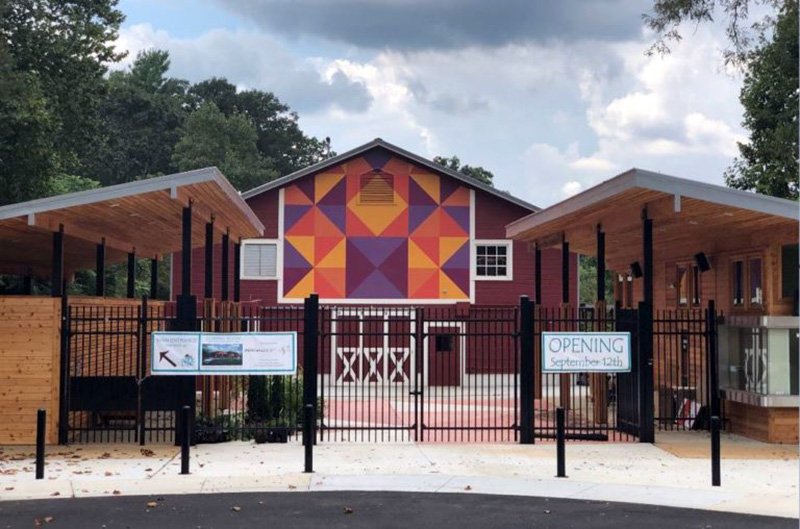
Children 3-12 cost $12.95 + tax, ages 2 and under are free. Resident and eligible military rates differ.
Compare admission options →Give children time to look for animals, explore the sloped paths, take breaks and return to favorite habitats.
Preschoolers enjoy animals and nature play; older kids can explore conservation, habitats and endangered species.
Free parking and paved routes help, but steep grades, outdoor weather and temporarily modified road access require planning.
See the full Family Friction score →Black bears, red wolves and otters in an Appalachian woodland setting
WNC Nature Center is an Asheville wildlife attraction built around the animals and ecosystems of the Southern Appalachian Mountains. Rather than rushing between cages in a large metropolitan zoo, families follow outdoor paths through 42 acres of wooded habitats. Black bears are one of the main draws, but an animal may be resting or obscured by landscaping when you arrive. Build anticipation around discovering what an animal is doing, not around a guaranteed close-up photo. Younger kids often enjoy looking for movement in the habitat; school-age children can compare paws, fur, diets and the difference between animals they may encounter in mountain forests and species they know from books.
Red wolves deserve a longer stop. They are rare and part of a significant conservation story: the center participates in managed programs supporting the species. Gray wolves, river otters, cougars and red pandas help broaden the visit beyond the familiar black bear. Children may enjoy seeing an otter swim or searching for a sleeping cat in a quiet corner of its habitat. Explain before arriving that wildlife does not perform on a schedule. A shaded resting animal is still a useful conversation starter about natural behavior and why wild animals need hiding places. For curious students, the center publishes downloadable scavenger hunts for kindergarten through grade eight; families need to print their own pages and bring pencils.
The practical side matters as much as the animals. WNC Nature Center has roughly 1.5 miles of paths across sloping terrain, with paved routes and boardwalks on most of the property. A stroller can make the day easier, but pushing it uphill can be tiring and small children may need frequent pauses. Nature play spaces can break up the animal viewing, while wooded areas provide some relief from direct sun without making the attraction weatherproof. Two to three hours is a comfortable family target, though an energetic child who likes to revisit habitats could happily stay longer. This is a particularly good stop for parents who want wildlife education and an outdoor outing without committing to a full mountain hike.
Wildlife is only one part of an Asheville family trip. Pair the Nature Center with parks, museums and mountain outings by exploring our Asheville with kids guide.
How to enjoy the WNC Nature Center at every stage, from stroller years to teens
Infant
A stroller walk among trees and animal sounds can work well for babies, but slopes increase the effort for caregivers. Choose a short loop, pack feeding supplies and avoid extreme temperatures.
Toddler
Toddlers can watch otters and bears briefly, then reset with a nature play stop. Expect to lift them for better views and keep them close on paths; a stroller remains useful for tired legs.
Little Kids
A particularly rewarding age for this outing. Children can search for wildlife, compare animal behaviors and use simple printed activity pages. Plan snacks and pauses rather than pushing through every habitat.
Big Kids
Great for learning how native habitats work, spotting wolf characteristics, reading interpretive signs and discussing why certain animals need conservation programs.
Tweens
Good fit for animal photography, habitat comparisons and the more advanced scavenger hunt. Give tweens a map and invite them to choose a route or species to investigate.
Teen
Teens interested in photography, biology and conservation can appreciate the center, especially the red wolf program. Those seeking rides or a high-energy attraction may prefer a shorter visit.
Family Friction: hills, animal visibility and the Asheville arrival detour
KidWaypoint evaluates the work behind a wildlife day out - arrival, queues, weather, walking, stroller access, care facilities, sensory load and timing - rather than judging the attraction solely by its admission price.
This nature center is manageable for many families, but it is not an effortless indoor zoo. On-site parking is free and most visitor paths are paved or boardwalks, while natural hills and a longer walking loop can wear out toddlers and caregivers with strollers. Weather exposure is substantial, and animal sightings are necessarily unpredictable. Traffic on the temporary metal bridge and modified approach after Tropical Storm Helene is another reason to arrive with time to spare. Restroom and changing-table arrangements are not scored without sufficiently specific current evidence.
| Factor | Score | Why |
|---|---|---|
| Parking & Arrival | 2/5 | Free parking and accessible drop-off help, but the replacement access route includes a narrow two-way section and a signal-controlled one-way metal bridge. Overflow parking can increase walking. |
| Queue & Wait Time | 2/5 | Online purchase can save time and no timed animal presentation is required for normal admission. However, queues may build at the cashless gate on busy weekends; arriving earlier is sensible. |
| Heat & Weather Exposure | 4/5 | Most animal viewing happens outdoors. Mountain rain, cold snaps, summer humidity and thunderstorms can affect comfort, and the center does not provide weather-related refunds or rain checks. |
| Walking Distance & Terrain | 4/5 | Approximately 1.5 miles of paths run through a 42-acre sloped site. Even when the surface is smooth, uphill sections can be demanding for young children and adults pushing loaded strollers. |
| Stroller & Mobility Access | 3/5 | Most routes are paved or boardwalks and accessible parking is provided, but grades matter. Trillium Nature Trail is an exception to the paved or boardwalk network, and no motorized mobility devices are rented on-site. |
| Restroom & Baby-Care Access | N/A | Specific current baby-changing locations and private feeding areas are not confirmed in the reviewed visitor guidance. Contact staff before arrival if these facilities are essential. |
| Sensory & Crowd Load | 1/5 | Outdoor paths provide ways to spread out, and free sensory bags and marked quiet zones support families sensitive to noise. Animal vocalizations and busier play areas can still surprise some children. |
| Schedule Flexibility | 1/5 | Usually open daily 10:00 a.m.-4:30 p.m., with last entry at 3:30 p.m. General tickets are valid for 90 days, but four annual holiday closures and changing conditions remain worth checking. |
| Scored total | 17/35 | Medium Friction |
Strollers work on most routes, but the Appalachian hills are the challenge
The center lists ADA-compliant facilities, accessible parking and mostly paved or boardwalk routes. Parents still need to account for grades, weather, and the unpaved Trillium Nature Trail.
Use the accessible drop-off or marked accessible spaces if eligible. The closer starting point helps when visiting with a stroller or family member who tires easily.
The park is naturally hilly. Sturdy stroller wheels and brakes are more useful than assuming a completely level city-park walk.
This trail is the exception to the paved and boardwalk routes. If smooth surfaces matter, follow the main visitor path and confirm route choices with staff.
A limited number of pull wagons are available to rent from the entrance gift shop. They may help tired preschoolers, but availability is not guaranteed.
WNC Nature Center tickets, daily hours and the new driving route
Standard admission is charged per person plus tax, parking is free and the ticket counter does not accept cash. Check resident eligibility, the final entry deadline and bridge detour before departure.
| Activity or service | Cost | What to know |
|---|---|---|
| Adult admission | $16.95 + tax | Standard published general admission. Visitors ages 16-64 are not separately listed on the main rate table beyond the adult category. |
| Youth ages 13-15 | $16.95 + tax | Same listed admission amount as adults; check the booking system for the category applicable to a 16-year-old. |
| Child ages 3-12 | $12.95 + tax | Standard child admission; adult supervision is required. |
| Child ages 2 and under | Free | No general admission charge for the youngest guests. |
| Senior ages 65+ | $15.95 + tax | A reduced rate compared with standard adult admission. |
| City of Asheville residents | Discounted | Adult and youth $11.95, child $9.95, senior $10.95, plus tax. Bring proof of residency. |
| Active or retired military | Free with ID | Official military admission benefit applies to qualifying service members. |
| Parking | Free | On-site visitor lots; overflow parking near John B. Lewis Soccer Complex on busy days. |
Family cost example: Two nonresident adults and two children ages 3-12 pay $59.80 before tax at regular posted admission rates. One child ages 2 or under is free, and parking does not add to the ticket total. Check current tax and discounts at checkout.
What are the WNC Nature Center hours and last entry time?
- Open daily 10:00 a.m.-4:30 p.m. on regular operating days.
- Last admission is 3:30 p.m., a full hour before closing.
- Closed Thanksgiving Day, Christmas Eve, Christmas Day and New Year’s Day.
- General admission tickets are good for 90 days from purchase, but the center offers no weather-related refunds or rain checks.
Two to three hours is a comfortable target for many families. Arrive early enough to explore at a child-friendly pace, and check operating updates during severe weather.
Small decisions that make a hilly wildlife day easier
These family-specific tips help manage weather, animal expectations, ticketing and the unusual entrance route.
- Aim for the morning.Starting near 10 a.m. leaves room for breaks and a second look at habitats. The entrance stops admitting visitors at 3:30 p.m.
- Explain that animals may be resting.Wildlife hides, naps and moves unpredictably. Ask kids to look for tracks, movement, habitat features and interpretive signs, not just an unobstructed animal photo.
- Bring a stroller with reliable brakes.Paved routes do not mean flat routes. The terrain is hilly and a loaded stroller can become tiring on longer climbs.
- Print the scavenger hunt at home.The center provides age-graded downloads but does not supply printed worksheets, clipboards or pencils.
- Plan for real outdoor weather.Pack water and layers, and check the forecast. General admission is not refunded or rain-checked when animal availability or weather disappoints.
- Check the bridge detour and pay by card.The temporary metal bridge is signal-controlled, and the ticket office is cashless. Save both time and frustration by reviewing directions first.
WNC Nature Center FAQ: hours, animals, tickets and visiting with kids
Detailed answers for parents planning a wildlife visit in Asheville, North Carolina.
What are WNC Nature Center hours, and when is the last admission?
The WNC Nature Center in Asheville normally opens at 10:00 a.m. and closes at 4:30 p.m. seven days a week. Last admission is at 3:30 p.m., so arriving just before that cutoff leaves less than an hour to see the property and is not a good plan for families who want a relaxed visit. The center closes four days each year: Thanksgiving, Christmas Eve, Christmas Day and New Year’s Day. Allow approximately 2-3 hours if you want to explore the animal habitats, stop to read signs and give younger children breaks. A slower visit may take longer because the site is hilly. Conditions and scheduled events can affect the day, so check the official hours page on your travel date.
How much are WNC Nature Center tickets for adults and children?
Standard admission is $16.95 plus tax for adults and the listed 13-15 youth category, $15.95 plus tax for seniors age 65 and older, and $12.95 plus tax for children ages 3-12. Children age 2 and under are free. Two adults and two children ages 3-12 would pay $59.80 before tax at standard prices. City of Asheville residents may use discounted rates with required proof: $11.95 for adults and youth, $10.95 for seniors and $9.95 for children, plus applicable tax. Active and retired military guests receive free admission with ID. The published visitor rate table identifies youth ages 13-15 but does not clearly explain the treatment of 16-year-olds, so check the booking page before selecting a category. The ticket office is cashless; pay online or with supported cards or mobile payment methods on arrival. Tickets remain valid for 90 days after purchase, but there are no refunds or rain checks for bad weather or animals staying out of sight.
What animals can families see at the Asheville WNC Nature Center zoo?
The WNC Nature Center focuses on wildlife connected to the Southern Appalachian region and related conservation education. Among its headline animals are American black bears, American red wolves, gray wolves, North American river otters and cougars. Red pandas are another visitor favorite, even though they are not native to North Carolina. The center also features smaller mammals, reptiles and birds, and its conservation work includes red wolf breeding and species management. Unlike a staged animal show, a walk through habitats cannot guarantee that every species will be visible at any specific time. Black bears may be resting, wolves may remain in sheltered parts of the habitat, and otters can shift between active swimming and quiet periods. Help children appreciate the habitat itself, read the animal information together and revisit a favorite enclosure later rather than promising a close encounter.
Is WNC Nature Center stroller-friendly and wheelchair accessible?
The center describes itself as ADA compliant, and most of its walking routes are paved or use boardwalks. Nevertheless, the grounds sit on naturally sloping mountain terrain. Parents should expect uphill pushing and downhill braking rather than a flat paved zoo loop. Trillium Nature Trail is the notable exception to the paved and boardwalk surfaces, so stick to the main routes if you need consistently smoother ground. Accessible parking and an accessible drop-off are available at the front entrance. The center encourages visitors to bring their own strollers and rents a limited number of Wild Wagons through the gift shop. It does not rent motorized mobility devices, though personal devices are permitted. Guests with specific accessibility requirements should call 828-259-8080 before visiting, especially if steep grades could be difficult for someone in the family.
Is parking free, and how do we get to the Nature Center after Hurricane Helene?
Parking is free for WNC Nature Center visitors. The address is 75 Gashes Creek Road, Asheville, NC 28805. The important complication is the driving approach: the former Gashes Creek Bridge was lost during Tropical Storm Helene, and the center currently publishes a modified route. From Swannanoa River Road, turn onto Azalea Road, continue about half a mile along the newly two-way section, then use the first exit at the roundabout. Cross the signal-controlled one-way metal bridge and turn left onto Gashes Creek Road for the visitor parking lots. Families approaching from Tunnel Road can follow Azalea Road East for about two miles to the roundabout and take its second exit. On crowded days, overflow parking is available around the John B. Lewis Soccer Complex. Follow the center’s up-to-date driving instructions rather than relying only on an older saved route, and leave extra time for traffic around the temporary bridge.
Is WNC Nature Center worth visiting with toddlers, and what should parents bring?
For many toddlers and preschoolers, WNC Nature Center is an appealing way to see animals and enjoy a forest setting without taking a backcountry hike. The strongest moments may be simple ones: spotting an otter surface, finding a bear behind a log or listening to animal sounds. However, the attraction takes more physical effort than a small indoor zoo, and a toddler who wants to walk every hill may tire quickly. Bring a sturdy stroller, drinking water, suitable shoes, weather layers and anything needed for feeding or changing your child. The center offers age-graded printable scavenger hunts for older children, and families with sensory needs can borrow free KultureCity sensory bags and use designated quiet zones. Pets are not permitted, and children under 16 must be accompanied by an adult. This is mainly an outdoor visit, so rain, heat and animal visibility should influence the decision, especially when traveling with a baby or easily tired child.