Pick a US city that fits how your family travels
Compare cities by trip length, Family Friction Score, best months, and what each one does well. The best cities to travel with kids in the US are the ones that match your kids' ages and your pace, so set your filters first and open a full guide only for the cities that pass.
Narrow the list to your kind of trip
Family city guides
13 destinations shown

Seattle, WA
Seattle, Washington, works for families who want city activities and access to the water without renting a car for every day. The central sightseeing areas can be combined on foot or by public transit, but hills, rainy weather and ferry schedules affect how much a family can reasonably fit in. This guide focuses on choosing a suitable base, keeping transport costs under control and building days that suit children from babies to teenagers.
Open Seattle, WA family guide →- Ideal stay
- 4-5 days days
- Best for
- Waterfront walks, science and hands-on learning, urban parks, ferry outings, indoor rainy-day plans
- Best months
- Jun-Sep

Atlanta, GA
Atlanta, GA, gives families a choice between major indoor attractions, significant civil rights history and parks connected by an expanding trail network. The practical question is not whether there is enough to do, but which activities can fit together without losing the day to traffic, heat or parking. Families staying near a MARTA station can reduce some transfers, while those exploring farther neighborhoods may find a car more useful.
Open Atlanta, GA family guide →- Ideal stay
- 3-5 days
- Best for
- Urban parks, hands-on learning, civil rights history, animal experiences, neighborhood walks
- Best months
- Mar-May, Sep-Nov

San Francisco, CA
San Francisco with kids is a trip where the route matters as much as the destination. Families can combine waterfront time, hands-on learning and compact neighborhood outings, but steep hills, microclimates and different transit fare systems can change the pace of a day. Planning by area - and treating ocean beaches as places to explore rather than swim - makes the visit more manageable.
Open San Francisco, CA family guide →- Ideal stay
- 4-5 days
- Best for
- Waterfront walks, science and learning, neighborhood exploration, coastal scenery, car-free sightseeing
- Best months
- Sep-Oct, Apr-May
Boston, MA
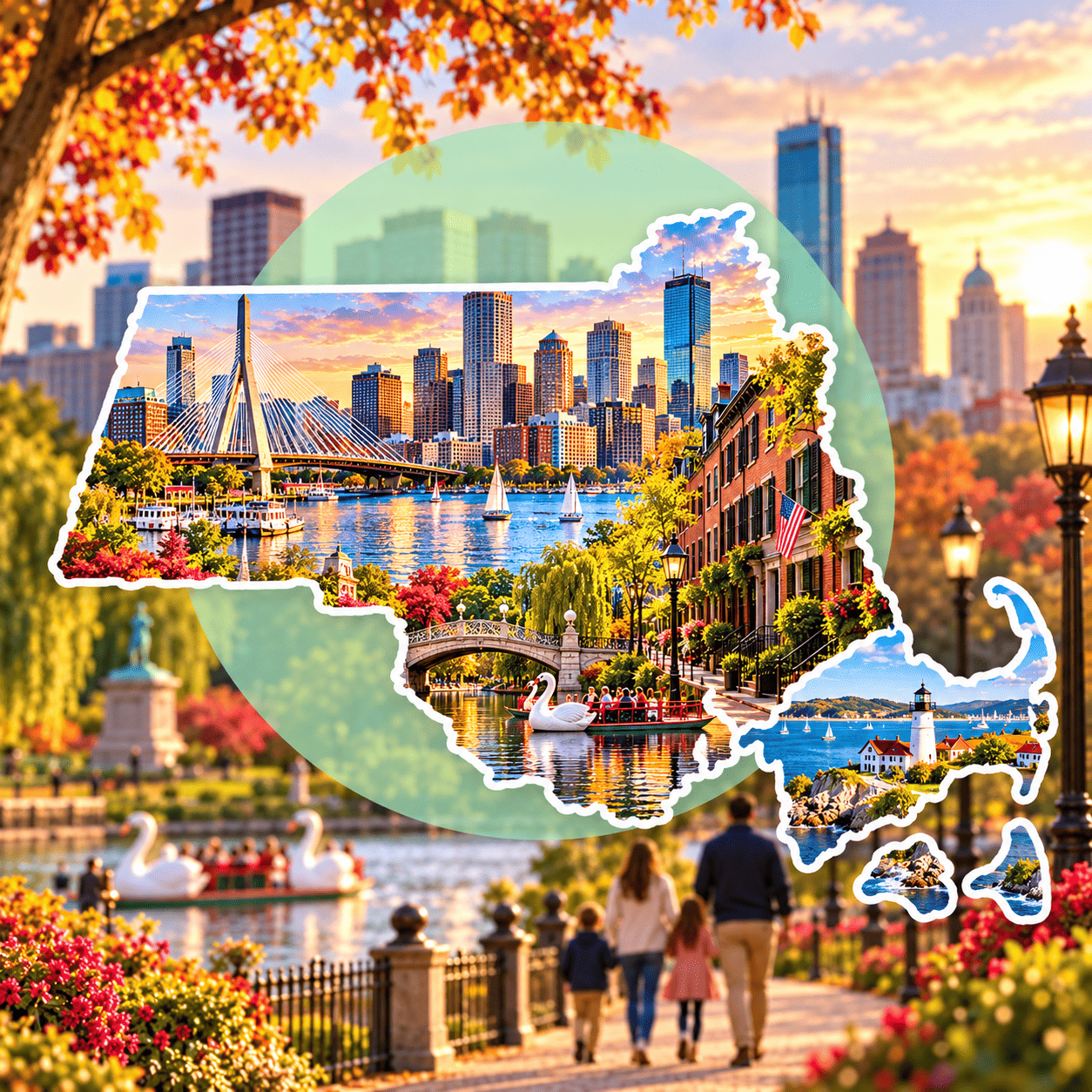
Boston rewards families who travel in neighborhood-sized pieces. Its central sights are close enough for walking, but cobblestones, winter wind, historical interiors and the occasional inconvenient station entrance can turn a simple route into hard work with small children. This guide focuses on realistic pacing, transit, costs and weather decisions rather than adding more stops to the list.
Open Boston, MA family guide →- Ideal stay
- 4-5 days
- Best for
- American history, Walkable neighborhood days, Museums and learning, Waterfront outings, Car-free city breaks
- Best months
- May-Jun, Sep-Oct
Chicago, IL
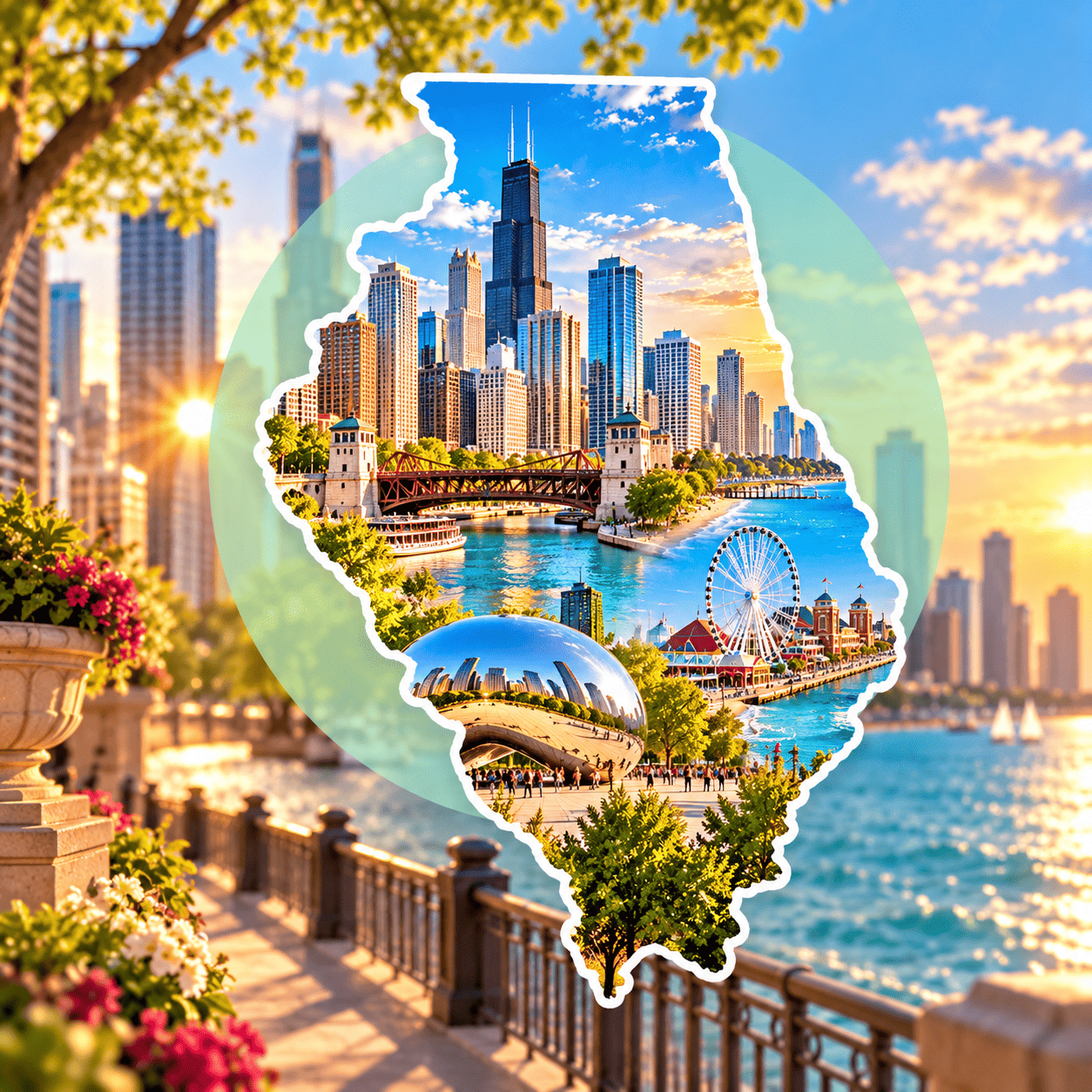
Chicago gives families two different kinds of days: concentrated sightseeing near downtown and slower time by Lake Michigan or in neighborhood parks. The planning challenge is deciding which areas belong together, when an indoor backup is essential, and whether the weather will support a lakefront day.
Open Chicago, IL family guide →- Ideal stay
- 4-5 days
- Best for
- Museums and learning, Lakefront walks, Urban parks, Architecture and city views, Indoor rainy-day plans
- Best months
- May-Jun, Sep-Oct
Myrtle Beach, SC
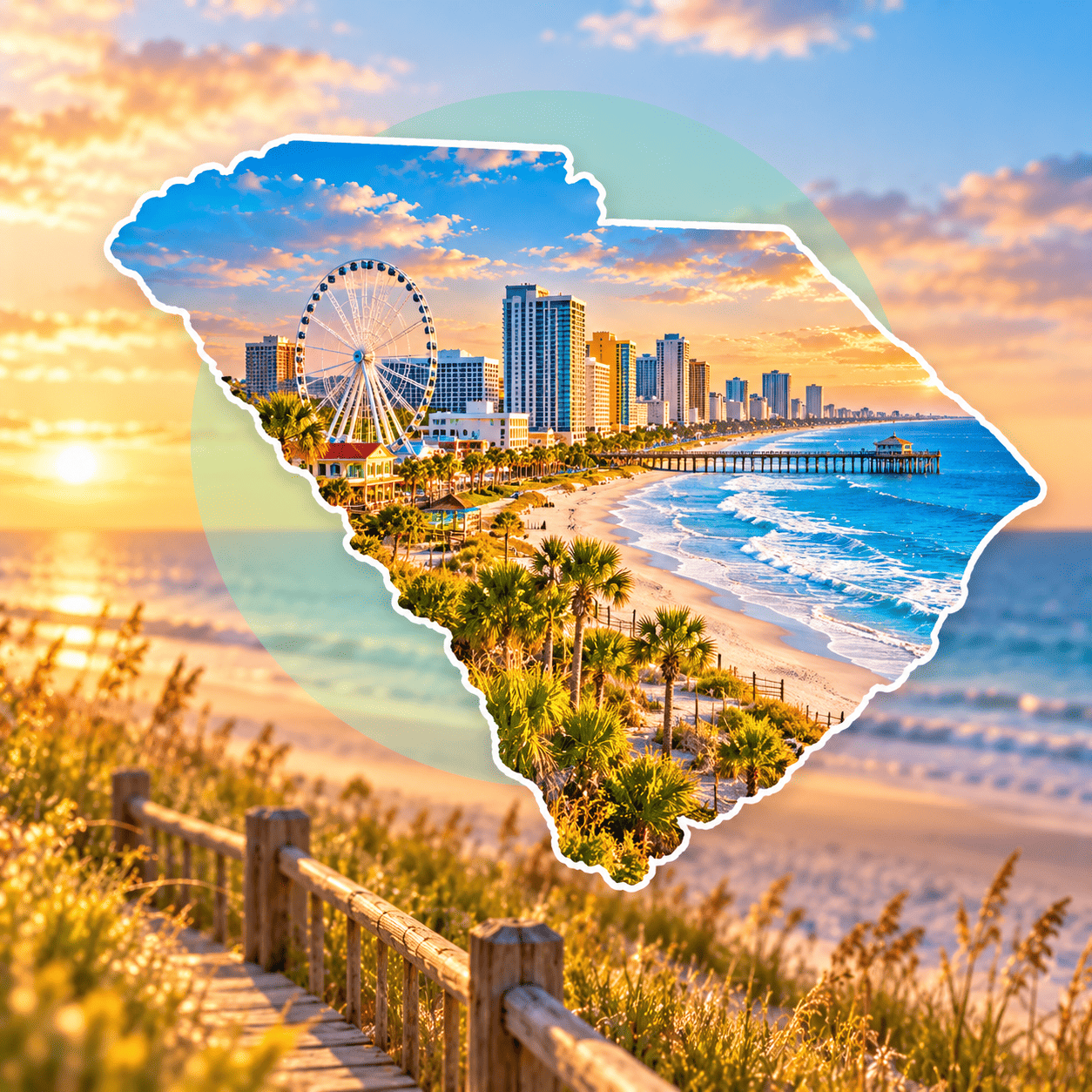
Myrtle Beach is a beach-first family destination where the water, the season and the stretch of sand you pick shape the trip more than any single outing. Swimming is comfortable from June through September, while spring and fall bring thinner crowds and lower prices. Parents who learn the beach flags, check parking rules before the first morning and keep a rainy-day list have the easiest week here.
Open Myrtle Beach, SC family guide →- Ideal stay
- 5-7 days
- Best for
- Beach days, Boardwalk evenings, Water-based play, Free oceanfront walks, Rainy-day indoor options
- Best months
- May-Sep

Denver, CO
Denver sits exactly one mile above sea level, so a family trip here is shaped by thin air, dry weather and strong sun as much as by the list of places to visit. Kids get animals, science, parks and city neighborhoods in a compact core, with the Rocky Mountain foothills about 20 to 30 minutes away. A slow first day and a water bottle for every child do more for the trip than any itinerary.
Open Denver, CO family guide →- Ideal stay
- 3-5 days
- Best for
- Science and nature outings, Mountain day trips, Sunny outdoor days, Free parks, Indoor backups
- Best months
- May-Oct
Savannah, GA
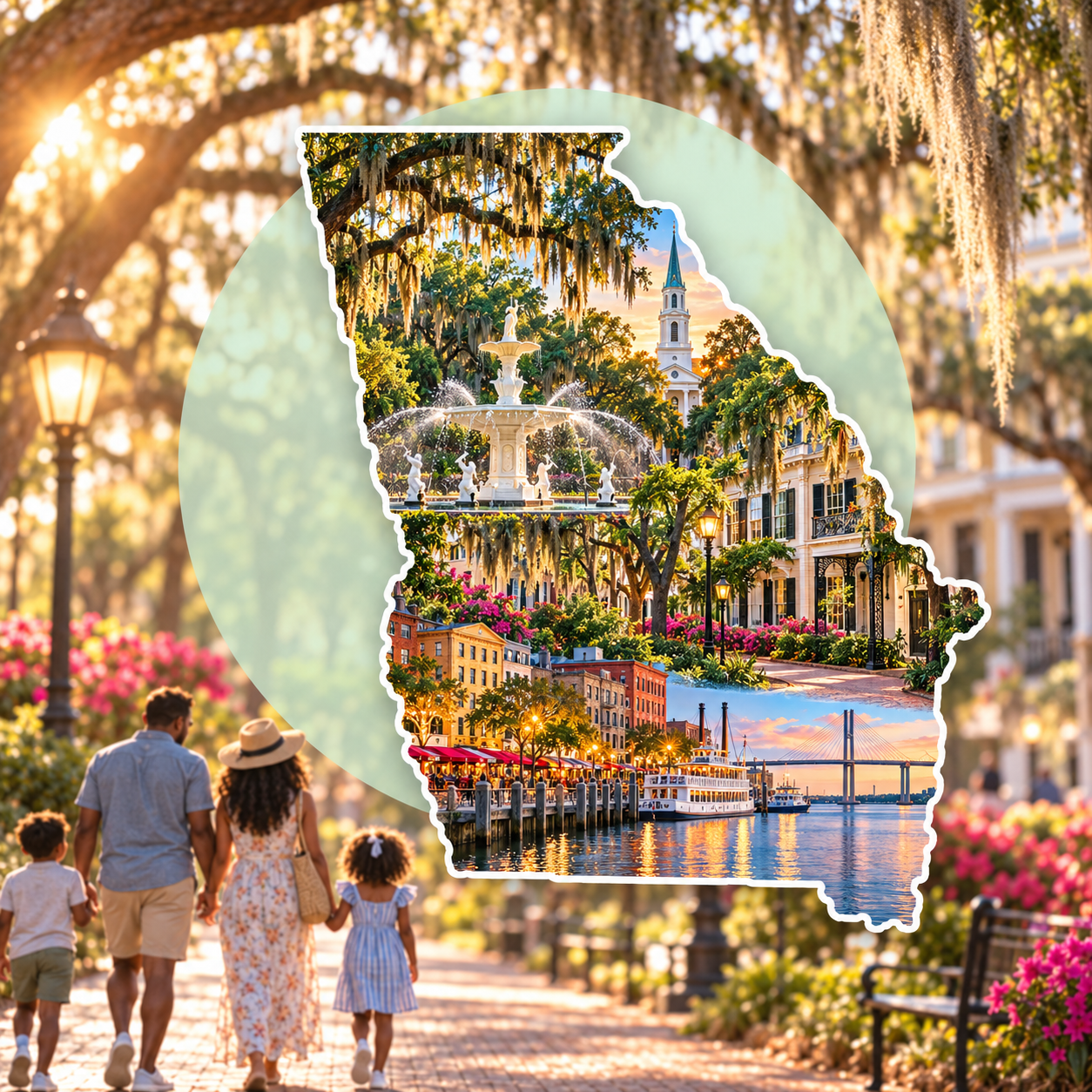
Savannah is a small, walkable city where 22 shaded squares work as built-in rest stops for children, and a free downtown shuttle and ferry keep transport costs low. Summer heat and humidity set the real limits, so the easiest trips run in spring or fall and keep midday for indoor breaks. The nearest beach, Tybee Island, is about 18 miles away and adds an easy change of pace.
Open Savannah, GA family guide →- Ideal stay
- 3-4 days
- Best for
- Walkable historic squares, Short outdoor outings, Beach day trips, Spring and fall trips, Indoor heat breaks
- Best months
- Mar-May, Oct-Nov
Asheville, NC
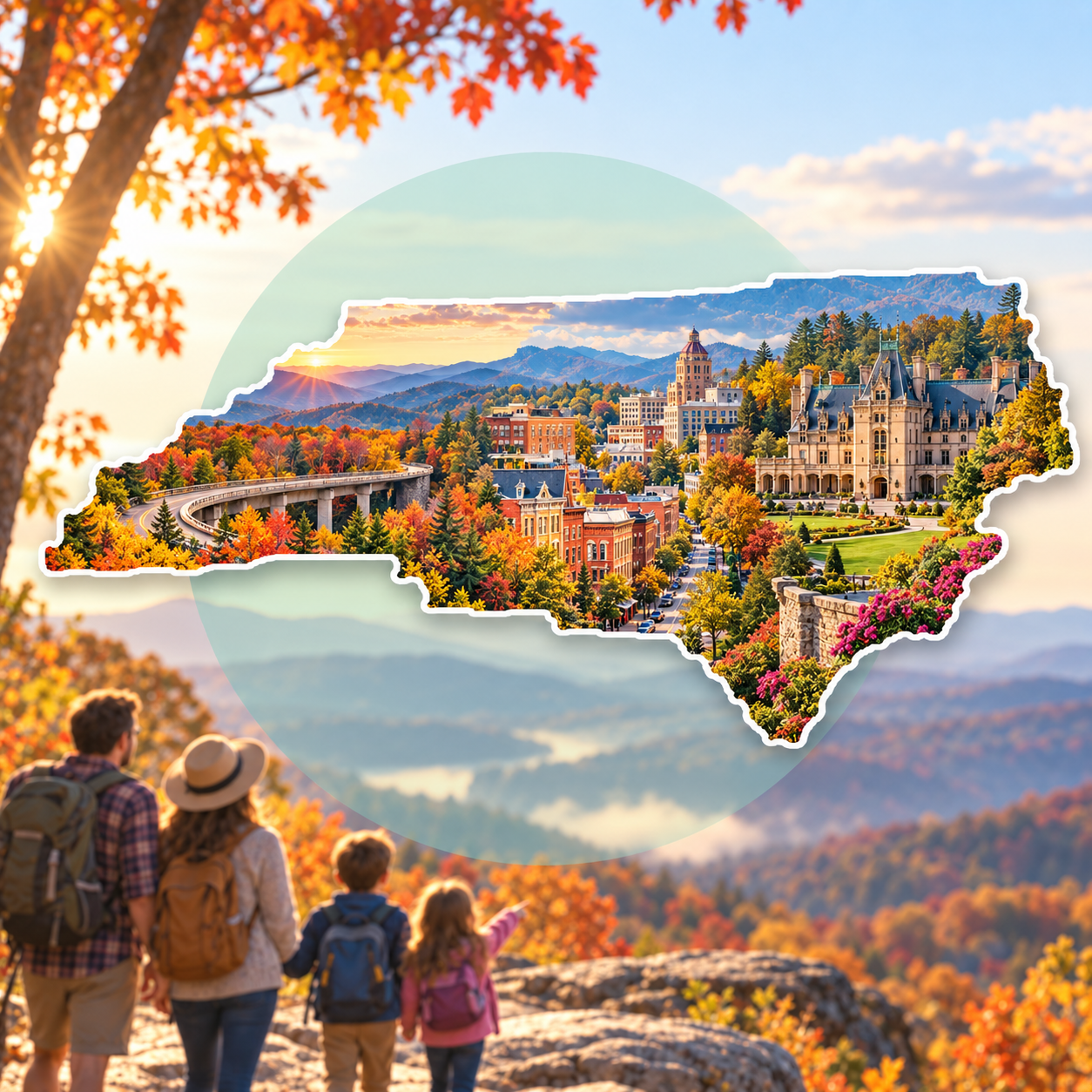
Asheville suits families who want a small mountain city with a walkable downtown, creative neighborhoods and forest trails within a short drive. Fall brings the biggest crowds, summers are milder than in much of the South, and mountain weather can change within a day. Hurricane Helene's 2024 damage means some Blue Ridge Parkway sections were still under repair in fall 2026, so road status is worth checking before any scenic drive.
Open Asheville, NC family guide →- Ideal stay
- 3-4 days
- Best for
- Nature walks, Fall foliage, Walkable downtown days, Art and studio visits, Rainy-day backups
- Best months
- Apr-Jun, Sep-Oct

Washington, DC
Washington, DC suits families because Smithsonian museums charge no admission, which makes a short visit practical even with a short attention span. The challenge is scale: the National Mall alone is two miles long, summers are hot and humid, and a few free sites require passes booked ahead. Families do best with one big indoor stop and one outdoor stop per day, close to a Metro station.
Open Washington, DC family guide →- Ideal stay
- 3-5 days
- Best for
- Free museums, Monuments and memorials, History for kids, Indoor backups, Metro-friendly trips
- Best months
- Mar-May, Sep-Oct
New York, NY
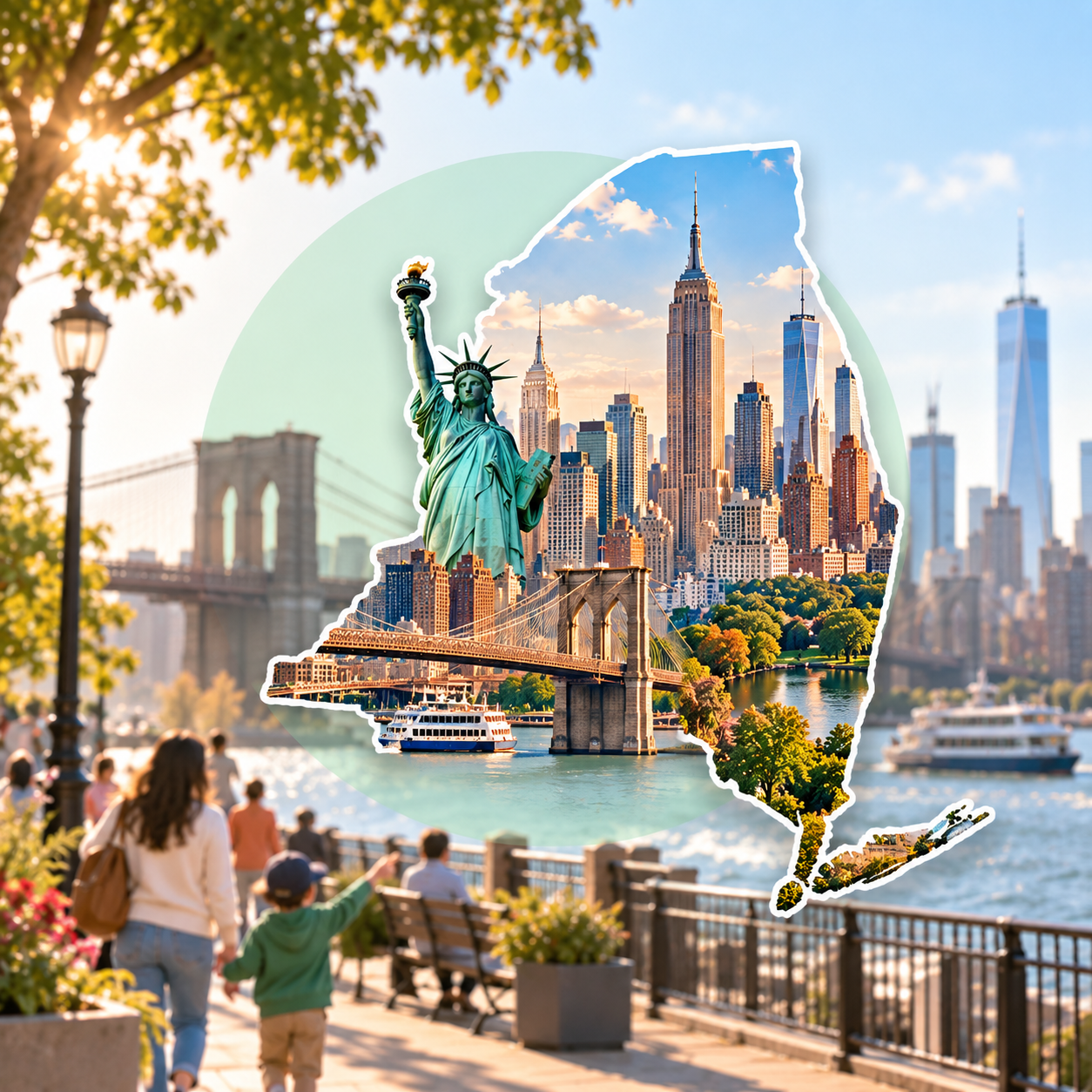
New York City works for families that treat it as a series of compact neighborhood days instead of one long checklist. Kids get museums, parks, hands-on stops and large-scale sights inside one transit network, and children 44 inches or shorter ride the subway free. The main planning variables are stairs and strollers, humid summers and cold winters, and how much walking each age group can handle.
Open New York, NY family guide →- Ideal stay
- 5-7 days
- Best for
- Museums and hands-on learning, Parks and playgrounds, City sightseeing, Rainy-day backups, Car-free trips
- Best months
- Apr-Jun, Sep-Oct
San Diego, CA
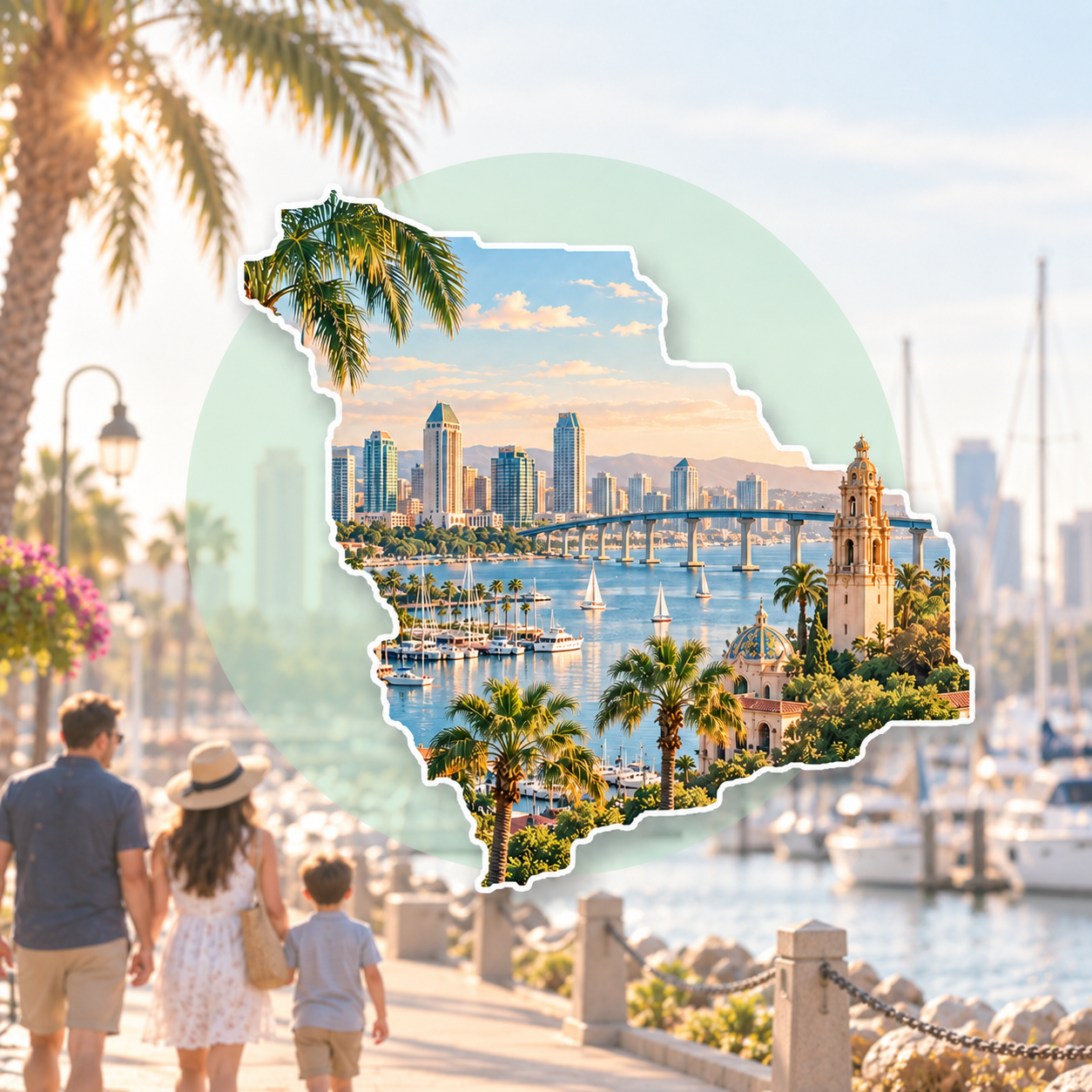
San Diego suits family trips because the mild climate removes most weather stress and the coast gives kids room to run, dig and splash between organized outings. The city is spread across several neighborhoods, so a good itinerary groups activities by area instead of crossing town twice a day. Parents who plan around fog mornings, cool ocean water and one base neighborhood get the easiest version of this trip.
Open San Diego, CA family guide →- Ideal stay
- 4-6 days
- Best for
- Beach days, Animals and wildlife, Museums, Outdoor play, Mild-weather trips
- Best months
- Sep-Nov, Mar-Apr
Orlando, FL
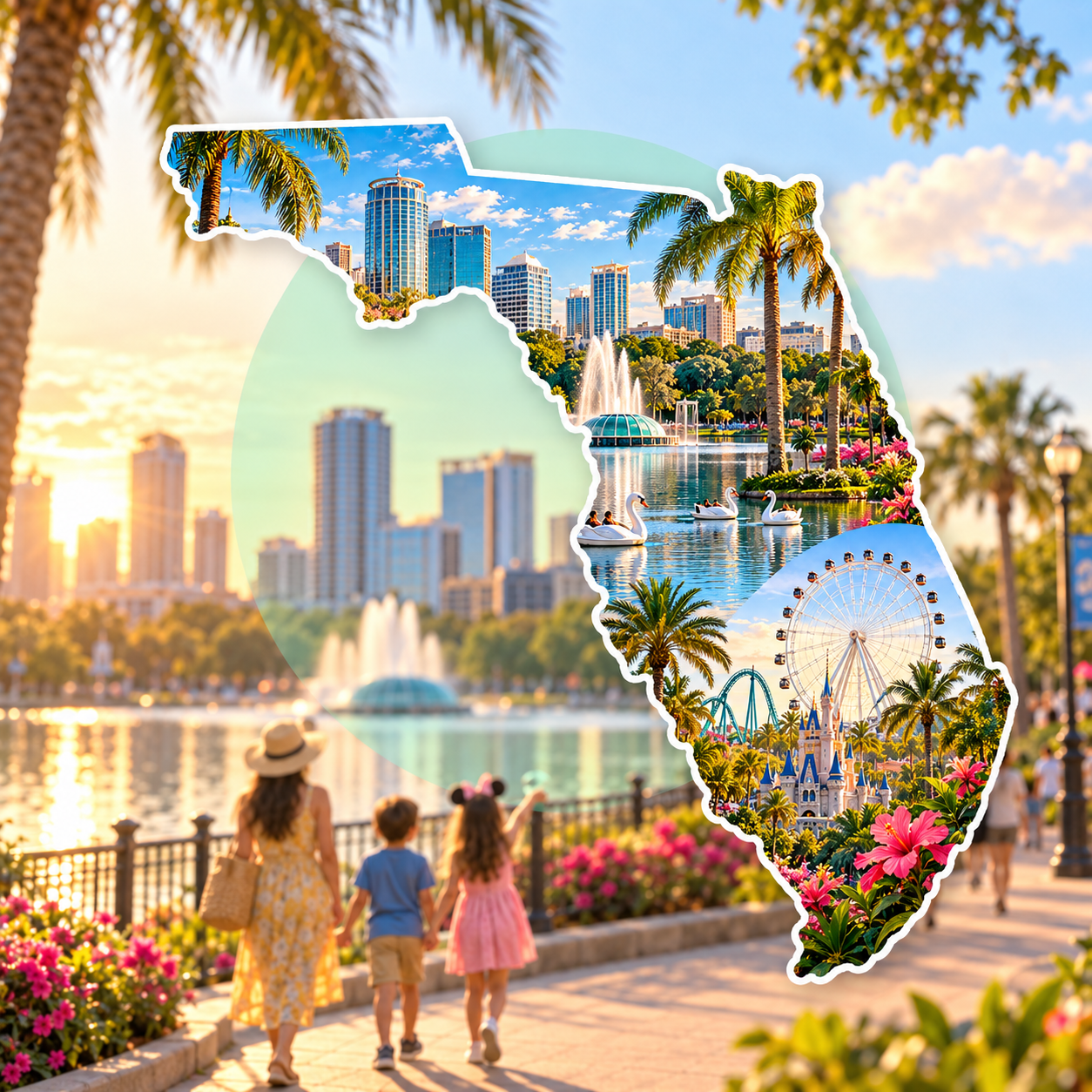
Orlando, FL is one of the few U.S. cities where parents can plan a week of kid-focused days without repeating the same type of outing. Theme parks take the most attention, but the city also has indoor science and hands-on spaces, animal and aquarium experiences, playgrounds, splash areas and free parks, so a family with a toddler and a teenager can each get a day that suits them.
Open Orlando, FL family guide →- Ideal stay
- 5-7 days
- Best for
- Theme parks, Indoor backups, Resort days, Hands-on museums, Free parks
- Best months
- Jan-Feb, Apr-May, Nov
Try widening the region, trip length, or interests.
Choose the trip first, then open the guide
Most lists of the best US cities to travel with kids rank attractions one by one. We start a step earlier. Each city card shows how many days the trip needs, which months work, what the city does best, and how much effort a day takes with kids. The best cities to visit in USA with kids change with the season and the ages: a toddler in July is a different trip from a teenager in March. When a city looks right, the full guide gives you dated prices, advice by age, and a list of what to skip.
Find your kind of city
Best cities to visit with kids in the USA, by travel style
There is no single best city to visit with kids for every family. Some children love interactive museums and historic landmarks, while others prefer beaches, outdoor adventures, or exciting attractions. Understanding your family's travel style makes it easier to narrow down destinations and plan a trip that everyone can enjoy.
For museums and curious minds
Cities with science centers, children's museums, aquariums, and interactive exhibitions are excellent choices for curious young travelers. Look for destinations where educational attractions are located close together, allowing families to explore without spending too much time traveling between stops. Indoor activities also provide valuable alternatives when the weather changes.
For beaches and outdoor play
Coastal destinations are ideal for families who enjoy building sandcastles, exploring waterfront parks, and spending unhurried afternoons outdoors. The best kid-friendly cities for beach vacations offer more than a beautiful shoreline, including shaded playgrounds, accessible facilities, and activities away from the water. Always consider seasonal weather, swimming conditions, and beach access before booking.
For theme parks and big adventures
Families seeking excitement may prefer cities known for amusement parks, water parks, wildlife encounters, and immersive attractions. These trips often require more planning because admission costs, long queues, and busy schedules can quickly become overwhelming. Choose destinations with attractions suitable for different ages, and leave room for quieter activities between major adventure days.
For nature and active days
Some of the best cities for kids are surrounded by accessible natural spaces, scenic trails, botanical gardens, and opportunities to discover local wildlife. These destinations suit families who prefer hiking, cycling, picnics, and outdoor exploration to crowded tourist attractions. Prioritize manageable trail distances, age-appropriate activities, and convenient access to parks without excessive driving.
Look beyond the attraction count
What makes a city genuinely kid-friendly?
When comparing the best kid-friendly cities in the US, famous landmarks are only part of the picture. A city with fewer headline attractions may be more enjoyable for young children if getting around is simple, affordable breaks are easy to find, and the daily schedule can change without major disruption.
- Manageable distances Look for attractions clustered in the same neighborhood, practical public transportation, and routes that do not require a long drive after every stop.
- Activities for different ages The best cities for kids offer a useful mix of interactive attractions, green spaces, and experiences that appeal to more than one age group.
- Room in the budget Free parks and public attractions can balance expensive museums or theme park tickets. Consider transport, parking, and meals alongside admission prices.
- Indoor backup plans Heat, heavy rain, or cold weather can change a family itinerary quickly. A reliable indoor alternative helps avoid losing an entire day.
- Everyday family comfort Restrooms, stroller access, shaded rest stops, food choices, and opportunities to slow down often matter more than squeezing in one extra landmark.
Make a confident choice
How to choose the best city for your kids
Start with the youngest traveler. Families with babies or toddlers often need short distances, reliable nap breaks, and parks near the day's main attraction. School-age children may enjoy a greater balance of science, animals, history, and active sightseeing. Tweens and teens can help choose neighborhoods, museums, or outdoor experiences based on their own interests.
Match the destination to your available days. A short city break is easier when attractions are concentrated in one area. Longer stays create room for theme parks, waterfront days, or excursions outside the city. Before booking, check how much of each day would be spent traveling between places instead of enjoying them.
Think about the total cost and the season. The best US cities for kids are not automatically the most expensive destinations or those with the most attractions. Compare accommodation, transportation, paid admission, and free activities. Check seasonal conditions too: a city that works beautifully in spring may require a very different itinerary in midsummer or winter.
Use the filters above to shortlist destinations by region, ideal stay, and interests. Then open the individual family guides to compare practical details before deciding where to go.
Family destination questions
Questions parents ask about US cities with kids
What is the best city to visit with kids in the United States?
There is no universal winner. Washington, DC is worth comparing for families interested in free museums and history; Orlando suits theme park-focused trips; and San Diego is appealing when beaches and outdoor activities are a priority. The better choice depends on your children's ages, your budget, the season, and how much travel time you want each day.
Which US cities are good for families traveling without a car?
Boston, New York City, and Washington, DC can all support family itineraries centered on walking and public transportation. The experience still depends on your accommodation, stroller needs, and the attractions you choose. A hotel close to convenient transit can be more valuable than a cheaper room requiring several daily transfers.
How do I compare cities for a first family trip?
Begin with three priorities: your children's interests, a comfortable daily pace, and the total trip budget. Shortlist a few destinations using the filters, then compare the ideal length of stay, seasonal weather, transportation options, and the mix of free and paid activities. It is usually better to choose a city that supports several enjoyable, manageable days than one that requires constant rushing.