Zoo Atlanta with Kids
A gorilla group can hold a child's attention longer than any ride. At Zoo Atlanta, families can watch great apes communicate, follow elephants across a broad African Savanna habitat and meet an astonishing range of reptiles. The zoo covers roughly 40 acres, so a good visit depends on choosing a manageable route, allowing for heat and deciding which extras are actually worth buying.
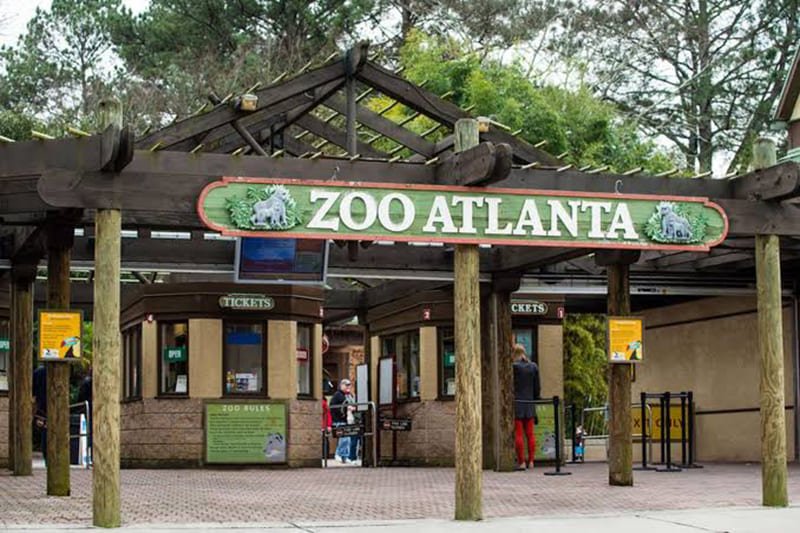
Date-specific tickets vary; flexible Any Day admission is $39.95 for ages 12+ and $31.95 for ages 3-11. Children under 3 enter free.
Zoo Atlanta tickets and extras →Plan a half day for major habitats and a break. Add time for keeper talks, playgrounds or paid rides; younger children may prefer a shorter visit.
Animal habitats can interest every age, but preschoolers and elementary-age children often get the most from a mix of wildlife and KIDZone.
Accessible paths, rental strollers and nursing stations help; paid parking, large outdoor distances, heat and optional timed activities add work.
See the full Family Friction score →Watch a gorilla family first, then follow the savanna into other worlds
Begin with the western lowland gorillas if your children love noticing small details. Zoo Atlanta cares for one of North America's largest gorilla populations, and watching a family group is about more than spotting a large silverback. Children may see younger gorillas climbing, grooming between adults or individuals moving between habitat areas. The animals can choose indoor spaces, so no one sighting is guaranteed. This is a good moment to ask a child to compare a gorilla's hands, posture or family behavior with their own. Nearby orangutans and other primates provide a different kind of comparison. A quiet pause at a viewing window is often more rewarding than quickly racing through every habitat. The zoo is home to more than 200 species, but it is not a contest to see them all.
The African Savanna area is the place to look for very different forms of movement: giraffes reaching for leaves, elephants investigating their environment, and smaller animals such as meerkats and warthogs going about their routines. Zoo Atlanta's elephant complex was designed with substantial space for the animals, and educational interpretation gives older children something to learn beyond identifying each species. Lions, zebras and rhinos are among the other animals families may seek out, although visibility changes throughout the day. Then shift gears inside Scaly Slimy Spectacular, a reptile and amphibian complex where a Komodo dragon, colorful frogs and less familiar species may give children an entirely different set of questions. Some children gravitate toward large mammals; another child may want to spend ten minutes studying the movement of one lizard.
There are places to use up remaining energy. KIDZone offers the Zoo Train, carousel and other paid activities, while the seasonal Splash Fountain is a free water-play option when operating. Children can also follow talks and feeding demonstrations on the daily schedule, though the animal care team determines whether a presentation goes ahead. An important planning note: new giant pandas Ping Ping and Fu Shuang have arrived at the zoo, but their public habitat opening is scheduled separately. Check the zoo's current panda information before promising a panda sighting. A flexible family itinerary might combine one great ape habitat, the African Savanna, an indoor reptile break and a chosen ride. That is a full, satisfying visit without insisting that tired children walk every pathway.
Pair your zoo day with a different kind of Atlanta outing. Compare playgrounds, museums and family-friendly attractions in our guide to Atlanta with kids.
Which ages enjoy the animals, and which need more breaks?
Infant
Babies can accompany caregivers on the zoo's accessible routes. Their experience is mostly outdoor sights and sounds, so prioritize shade, feeding stations, a comfortable stroller and shorter circuits.
Toddler
Large animals, simple animal sounds and the Zoo Train can be exciting. A toddler may watch an elephant for a few minutes and then want to move; keep plans short and bring a stroller.
Little Kids
A strong match for savanna animals, gorilla behaviors and KIDZone. Children can practice noticing what animals eat and how they move, with playground or water-play breaks when available.
Big Kids
Kids in this age range can follow keeper talks, compare habitats and choose questions to investigate at the reptile exhibits. Allow them to help plan the route rather than rushing the animals.
Tweens
Interested tweens can learn about conservation, how zoos care for elephants and gorillas, and why habitats differ. Treetop activities may add excitement if age and size rules permit.
Teen
Teens interested in wildlife, photography or animal welfare may enjoy the more detailed educational displays. Others may prefer an abbreviated visit centered on apes and the savanna.
Family Friction: the biggest challenge is the climate, not the pathways
KidWaypoint scores eight parts of a family outing: arrival, waiting, weather, walking, stroller access, care facilities, sensory conditions and scheduling. Higher numbers reflect more effort for parents, not a judgment of animal care or exhibit quality.
Zoo Atlanta has paved visitor routes, rentable strollers and four nursing stations, so common family needs are not an afterthought. The outing is still mostly outdoors across roughly 40 acres, with weather exposure and enough walking to tire young children. Parking costs extra, and ride lines or keeper talks can interrupt a self-paced circuit. Build a route around a few animal habitats, food and a predictable rest break instead of trying to cover everything.
| Factor | Score | Why |
|---|---|---|
| Parking & Arrival | 2/5 | City-managed public parking is available at Cherokee Avenue and Grant Park Gateway for $3 an hour, capped at $12 a day; busy periods can add a walk to the entrance. |
| Queue & Wait Time | 2/5 | Timed online admission simplifies ticketing but popular animal viewpoints, paid rides and seasonal attractions can still have waits, especially on busy weekends. |
| Heat & Weather Exposure | 4/5 | A large share of exhibits and walking paths are outdoors. Atlanta sun, humidity and thunderstorms can affect comfort, and some rides close for weather. |
| Walking Distance & Terrain | 3/5 | Roughly 40 acres of habitats mean considerable walking if trying to cover everything. Families can shorten the route, but moving between headline animal areas takes energy. |
| Stroller & Mobility Access | 2/5 | The zoo provides accessible visitor routes and stroller rentals. Crowded viewing areas, inclines and moving between outdoor sections may still slow parents with wheeled equipment. |
| Restroom & Baby-Care Access | 1/5 | Multiple public restrooms and four designated nursing stations are documented; plan care stops around the map rather than expecting one beside every habitat. |
| Sensory & Crowd Load | 3/5 | Animal presentations, rides and crowded viewpoints can be noisy. The zoo identifies quiet zones and headphone zones and lends sensory bags for visitors who need them. |
| Schedule Flexibility | 2/5 | Habitats are largely self-guided, but daily keeper talks, animal behavior, ride availability and special activities make some plans time-sensitive. |
| Scored total | 19/40 | Medium Friction |
Stroller access at Zoo Atlanta: practical routes, rentals and feeding breaks
The zoo welcomes strollers on visitor pathways and lists accessible routes, which is helpful over a long outdoor visit. Families should still plan around busy observation areas, changes in elevation and the location of nursing and restroom facilities. A stroller does not make every ride or add-on accessible.
Zoo Atlanta rents single strollers for $11 plus tax and double strollers for $13 plus tax at Safari Outfitters near the front entrance. If your child naps in a particular stroller, bringing your own may be more reliable than a rental, especially for a long outing. The facility also rents manual wheelchairs for $14 plus tax and electric scooters for $33 plus tax, subject to availability. These are separate mobility products, not substitutes for secure seating for babies. Check the map before setting off and decide whether you need to return the rental before leaving; do not count on finding a stroller pickup station in the far end of the zoo.
The zoo describes its pathways, habitats and visitor facilities as accessible and provides an interactive map. That makes the main exhibits more manageable than a natural hiking trail, but it does not eliminate the physical distance across a roughly 40-acre property. You may meet slopes, clusters of families at viewing windows and places where it is easier to park a stroller briefly while another adult helps a child see. Keep clear of habitat barriers and avoid blocking the route for wheelchairs. With a child who becomes tired easily, choose a sequence such as gorillas, African Savanna and one indoor reptile stop, then assess whether to continue.
The zoo lists four nursing stations and identifies them at restrooms around Flamingo Plaza, outside Willie B's Pizza, near Nourish Café and in the Grand Patio area. These are more useful planning anchors than vague claims of a baby room somewhere on the property. Public restrooms appear throughout the zoo map. The published accessibility page lists nursing locations but does not provide a comprehensive changing-table inventory for every restroom; parents who need a particular setup should ask guest services. Carry feeding supplies and enough drinking water for outdoor sections, and check where you can make a comfortable stop before your child becomes overwhelmed.
The regular viewing paths are not the same as boarding the Zoo Train, carousel or taking part in climbing activities. Ride operators may require folding or parking strollers; verify the current boarding instructions before buying an extra ticket. For children sensitive to noise or crowds, Zoo Atlanta provides sensory bags with noise-canceling headphones, fidget items and other tools, borrowed with ID at Member Services. Weighted lap pads and marked quiet zones are also available. These supports can make the zoo more manageable but cannot guarantee quiet at a busy animal habitat or near KIDZone. If your child uses a mobility device, contact the zoo about specific activities before travel.
Zoo Atlanta tickets, seasonal opening hours and Grant Park parking
Select Your Date tickets use dynamic pricing, so the exact adult, child and eligible college-student prices appear after choosing a visit. Flexible Any Day tickets cost more but do not require a specific date. Admission includes the main animal habitats; rides, feeding experiences, climbing attractions, parking and purchases are additional.
| Ticket or rental | Price |
|---|---|
| Select Your Date daytime admission, adults ages 12+ and children 3-11 | Varies by selected date |
| Any Day adult ages 12+ / child ages 3-11 | $39.95 / $31.95 |
| Children under age 3 | Free |
| Train or carousel single ride, ages 3+ | $4 + tax |
| All-day train and carousel wristband / 10-ride Fun Pass | $11 / $30 |
| Treetop Trail / Treetop Tykes | $15 / $10 |
| VR 360 film / single stroller rental | $8 / $11 + tax |
| Double stroller rental / public parking hourly and daily cap | $13 + tax / $3 per hour, max $12 daily |
Family cost example: two adults and two children ages 3-11 would pay $143.80 for Any Day admission before tax and fees, excluding parking and extras. Adding one $11 ride wristband per ticketed person raises that subtotal to $187.80. Selecting a dated ticket may cost less; check the real checkout amount rather than assuming an Any Day rate is the least expensive.
What time does Zoo Atlanta open and close?
- Zoo Atlanta usually opens at 9:00 am during the warmer and fall periods, with some colder-season days beginning at 10:00 am.
- Closing is commonly 5:00 pm, with some longer 6:00 pm days during busier seasons; the official daily schedule controls.
- Last admission can be as early as 3:30 pm on 5:00 pm closing days. Animals may start returning indoors before closing.
- The zoo normally closes for Thanksgiving and Christmas; special events can also change general visiting arrangements.
The current Zoo Atlanta calendar gives opening time, closing time and last admission for the chosen day. Check it before driving, especially if a child wants to attend a keeper talk or buy a ride ticket. Animal demonstrations are subject to care schedules, and concessions often stop serving before the grounds close. Even an early afternoon arrival can feel rushed when children need snacks, restrooms and several substantial walks between habitats.
Let one animal behavior set the pace instead of chasing every talk
The most satisfying moments are often unplanned: a gorilla interacting with its group or an elephant examining enrichment. Make room for those moments without letting the day become a race.
- Look at today's animal calendar before entering.Choose one keeper talk or demonstration that interests your child; the schedule may change and attendance is not guaranteed.
- See the outdoor animals while temperatures are comfortable.Begin with a priority such as gorillas or African Savanna, then use Scaly Slimy Spectacular as an indoor pause.
- Set a spending limit for rides before KIDZone.Train and carousel rides are not part of general admission. A wristband makes sense only if your family expects multiple rides.
- Make a drinking and nursing plan.Use the map to identify restrooms, nursing stations and food stops; the distance between your favorite animals can be longer than expected.
- Do not promise pandas until the habitat is open.The new giant panda habitat has a separate public debut schedule. Check the zoo's current panda page before making them the reason for the trip.
- Bring dry clothes if using the seasonal Splash Fountain.Water play depends on weather and operations, and children need to be dry before boarding rides.
Zoo Atlanta questions that matter when planning with children
From the zoo's actual size to the food rules and new pandas, these are the details that affect a family's day.
How big is the Atlanta Zoo, and can children see it all?
Zoo Atlanta covers just over 40 acres in historic Grant Park, which makes it substantial without being a sprawling safari park. For parents, the acreage matters less than the spacing of the animal habitats and the time children spend watching each one. You could walk a long circuit and see many species, but that does not mean a preschooler will enjoy the complete route. A three- to five-hour family visit is a reasonable planning estimate, not an official tour duration. Start with a few animals your child already knows, add one unfamiliar habitat and keep another stop optional. Older children who read signs and enjoy talks may stay longer. A family with a toddler might be happier leaving after two or three main habitats and one play break.
What animals are at Zoo Atlanta beyond gorillas and elephants?
The zoo houses more than 200 species across different habitat zones. Families can look for giraffes, rhinos, zebras, lions, meerkats and warthogs around the African Savanna, and orangutans and other primates in separate areas. Scaly Slimy Spectacular focuses on reptiles and amphibians, including animals children may not encounter elsewhere, such as the Komodo dragon. The zoo also features flamingos, lemurs, otters and various birds, among many others. Exhibits change as animals arrive, move or require care. None of those species is guaranteed to be visible or active during every visit. For children who have strong favorites, check the current animal list and viewing hints rather than relying on an older travel article or a photo from someone else's visit.
Can you bring food into Zoo Atlanta for your family?
Zoo Atlanta's general published prohibited-items list does not ban ordinary outside meals, but it does prohibit outside alcoholic beverages, glass containers, and straws and lids. Its security team may inspect bags and coolers, and rules for specific programs or private events can be stricter. Pack food in suitable containers, keep walkways clear and use designated eating areas rather than feeding wildlife or dropping food near animal habitats. Zoo Atlanta also has cafes and concessions for meals and snacks. The zoo is a living animal-care facility, so feeding zoo animals is prohibited outside authorized experiences. Parents who need a particular medically necessary meal setup or have questions about large coolers should contact guest services before arrival, rather than assuming all special items are permitted.
Are giant pandas currently part of a Zoo Atlanta visit?
Zoo Atlanta has welcomed two giant pandas, Ping Ping and Fu Shuang, through its conservation partnership, but their public viewing depends on the opening of the new Arthur M. Blank Panda Grove. The zoo announced a separate debut for that habitat, so the presence of pandas on its animal list does not by itself mean families can see them today. Once the habitat opens, animal viewing will still depend on care needs and individual behavior. For children especially excited about pandas, look at the official panda news and habitat notices before purchasing tickets or promising that experience. The gorilla habitats, elephants, reptiles and other long-established animal areas offer a substantial visit even when a single high-profile habitat is unavailable.
Does Zoo Atlanta have activities for kids who get tired of watching animals?
Yes, although some activities cost extra. The Zoo Train offers a seated ride around part of the grounds, the carousel is another familiar option, and Treetop Trail and Treetop Tykes provide harnessed climbing experiences subject to size, operating and weather restrictions. The seasonal Splash Fountain adds an active outdoor play break when it is open. These experiences can be valuable for children who have been standing quietly at animal windows, but they should not be confused with a guaranteed part of general admission. Check activity locations and requirements before telling a child they can climb or ride. Some offerings close for weather, maintenance or staffing. Families can avoid disappointment by deciding on a single optional activity rather than assuming everything will be available.
Is Zoo Atlanta good for families with different ages and interests?
It can work well for a mixed-age group if the route has more than one kind of experience. A preschooler may be delighted by a large elephant or a carousel ride, while an older sibling may want to compare gorilla social behavior or learn about reptile conservation. Rather than splitting the day equally among every enclosure, choose shared priorities first and then give each child one personal stop. Heat and walking distance are often the limiting factors, not a lack of species. A teen who enjoys photography or animal biology may engage with habitats differently from a younger child who needs a play break. The best value depends on what your family wants from a zoo and how much of the visit you can comfortably manage. Ask children which animals they want to learn about before buying extras.