Family Travel Guide · Washington, DC
What to Do in Washington, DC with Kids
Washington, DC is one of the few big U.S. cities where a family can walk into most museums without buying a ticket. That changes the planning: the question is not what each stop costs, but how much walking, heat and waiting a child can take before the day falls apart. This guide covers what to see in Washington, DC with kids by age and weather, how many days to plan, which free sites need passes, and how Metro works for families.

Overview
Washington, DC costs little to enter and a lot of energy to cover
Admission is mostly $0, so the budget moves elsewhere. According to the Smithsonian, admission is free at all its museums except one in New York City, which covers nearly every museum in the capital's core. A family can drop in for 90 minutes and leave when a child runs out of patience, without feeling that a ticket went to waste. Money goes to transport, food and lodging instead.
The Mall is two miles long, and kids experience it as longer. The National Park Service puts the distance from the Lincoln Memorial to the Capitol at two miles, and that is the straight line, before any detour into a museum or around the Tidal Basin. Tour guides quoted by FemaleSoloTrek suggest splitting the Mall into an east-end day and a west-end day. For young children, one end per day is a realistic plan.
"Free" does not always mean "walk in." A few sites require timed passes, and the rules change between seasons. The table shows the pattern.
| Type of stop | Admission | What to do before you go |
|---|---|---|
| Most Smithsonian museums | Free | Walk in; no pass needed |
| A small number of Smithsonian sites, including the National Zoo | Free, with timed-entry passes | Reserve ahead; check si.edu/visit/museums for the current list |
| Outdoor memorials | Free | Go early or late in summer; some monument interiors use timed tickets |
| Privately run museums | Paid | Check each site's price and age rules |
At least one Smithsonian museum requires a pass for every visitor regardless of age, so infants need one too. According to that museum, advance passes are released 30 days ahead on a rolling basis, and same-day passes go online by 8:15 a.m.
Heat does most of the damage. A Washington hotel guide notes that mid-summer combines peak tourism with uncomfortable weather, and other sources describe hot, humid summers with thunderstorms. Early morning works for memorials, and museums make a good midday block. Spring has its own problem: the National Park Service sets cherry blossom peak bloom each year, usually around the first week of April, and crowds peak with it.
Two stops a day is enough. One museum and one outdoor stop near a Metro station is a full day with kids, and each extra stop adds more tiredness than value.
Why families love it
- Free admission at Smithsonian museums, so short visits cost nothing.
- A compact core: the Mall runs two miles end to end, with Metro stations along it.
- Variety under one roof system: science, history, art and animals, all with the same free-entry rule.
- Metro is free for up to two children 4 and younger per paying adult.
Best time with kids
Late March through May and September through October are generally the most comfortable for walking, according to a Washington hotel guide. Spring brings blossom crowds and fall is quieter after Labor Day. Summer works for families tied to school breaks, as long as the outdoor stops move to the morning or evening.
Skip Washington, DC if
- Your family wants a beach, pool or ride-based trip.
- Children under five will have to walk long open stretches in July heat without a break.
- Nobody in the family enjoys exhibits, even short ones, and the plan depends on constant hands-on activity.
Zoom in for a more accurate location, then click a marker to learn more about the attraction and get directions via Google Maps.
Plan by age
What to see in Washington, DC with kids, sorted by age
Washington has no ride-based attractions, so age fit depends on how the exhibit is built. A toddler enjoys color, space and animals, a ten-year-old connects what they see to school, and a teenager wants the subject to feel real. The tabs below sort places by the age group that usually gets the most from each one. No place repeats in the weather or free sections that follow.
Air-conditioned museums with flat floors make Washington, DC manageable for babies, and Metro is free for children 4 and younger. Keep outings short and indoors during summer heat.
 Indoor
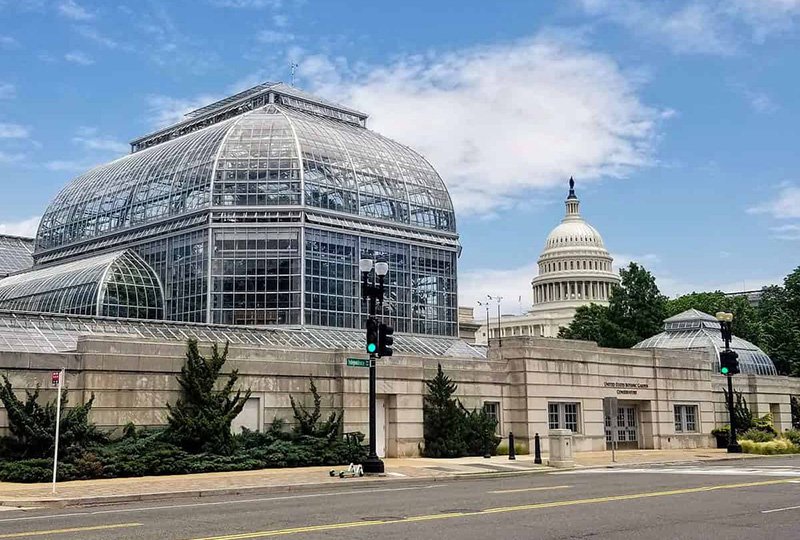
Explore tropical forests, orchids, deserts and a seasonal hands-on Children's Garden at this free living-plant museum beside the U.S. Capitol.
Attraction guide →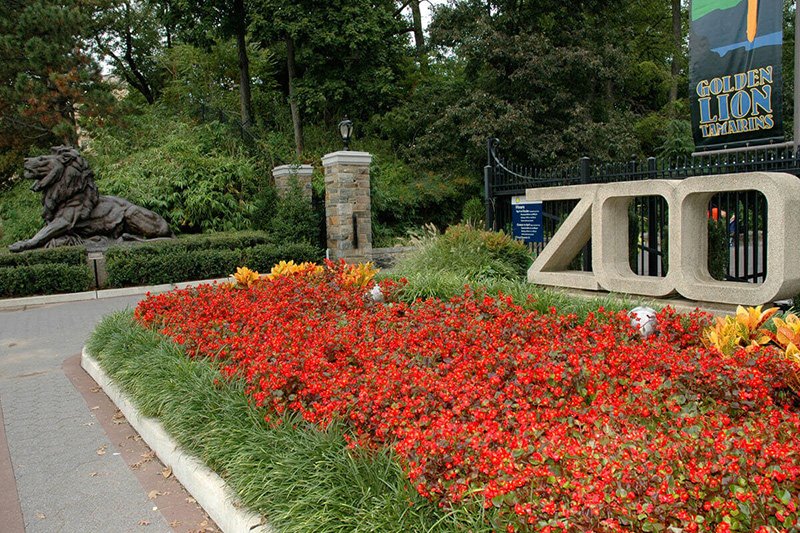 Outdoor
Free Washington DC zoo in Rock Creek Park featuring giant pandas Bao Li and Qing Bao, elephants, animal trails, family restrooms and a hilly outdoor walk.
Attraction guide →Toddlers handle the city in half-day blocks, one museum or one open lawn at a time, because distance between stops is the real limit. Skip the full two-mile Mall walk.
IndoorExplore tropical forests, orchids, deserts and a seasonal hands-on Children's Garden at this free living-plant museum beside the U.S. Capitol.
Attraction guide →OutdoorFree Washington DC zoo in Rock Creek Park featuring giant pandas Bao Li and Qing Bao, elephants, animal trails, family restrooms and a hilly outdoor walk.
Attraction guide → Indoor
National Museum of American History
Free Smithsonian history museum with Wegmans Wonderplace for ages 0-6, Spark!Lab invention activities for ages 6-12, giant trains and the original Star-Spangled Banner.
Attraction guide → Indoor
Smithsonian National Museum of Natural History
Explore the Smithsonian National Museum of Natural History in Washington, DC: giant dinosaur fossils, the Hope Diamond, Ocean Hall and an elephant-filled rotunda, with free admission for every age.
Attraction guide →Ages 3 to 6 respond to visual, hands-on exhibits and animals more than to text-heavy history. Plan one main stop a day and a lawn or playground break after it.
 Indoor
Smithsonian National Postal Museum
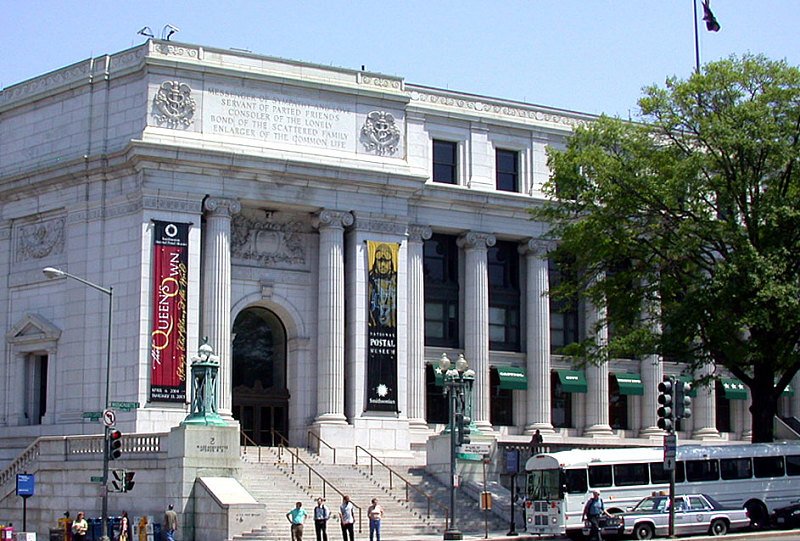
Smithsonian National Postal Museum near Union Station makes mail history hands-on with railway mail, historic vehicles, Owney the dog and interactive stamps and sorting exhibits.
Attraction guide →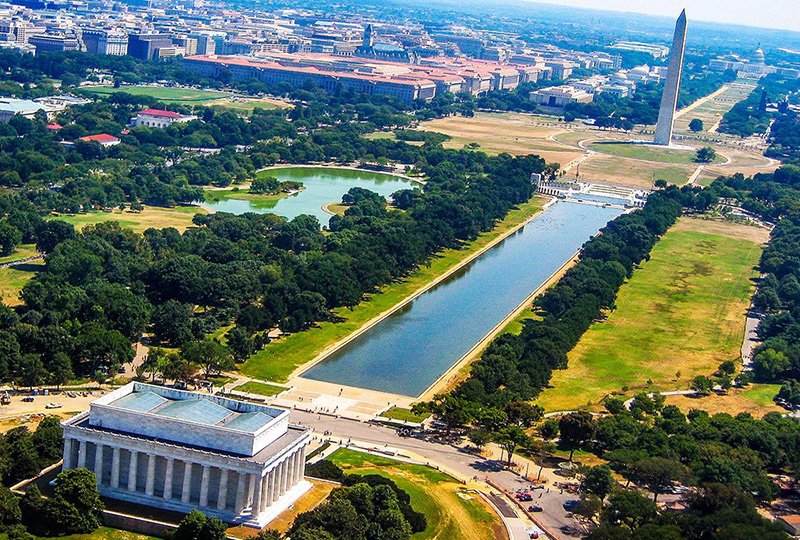 Outdoor
National Mall and Lincoln Memorial
Walk from the Lincoln Memorial past the Reflecting Pool and World War II Memorial, with iconic views and flexible stops along Washington DC's National Mall.
Attraction guide →IndoorExplore tropical forests, orchids, deserts and a seasonal hands-on Children's Garden at this free living-plant museum beside the U.S. Capitol.
Attraction guide →OutdoorFree Washington DC zoo in Rock Creek Park featuring giant pandas Bao Li and Qing Bao, elephants, animal trails, family restrooms and a hilly outdoor walk.
Attraction guide →School-age kids start to connect the capital's history to what they learn in class, so memorials and history exhibits begin to pay off here. Let them pick one stop per day.
IndoorSmithsonian National Postal Museum
Smithsonian National Postal Museum near Union Station makes mail history hands-on with railway mail, historic vehicles, Owney the dog and interactive stamps and sorting exhibits.
Attraction guide →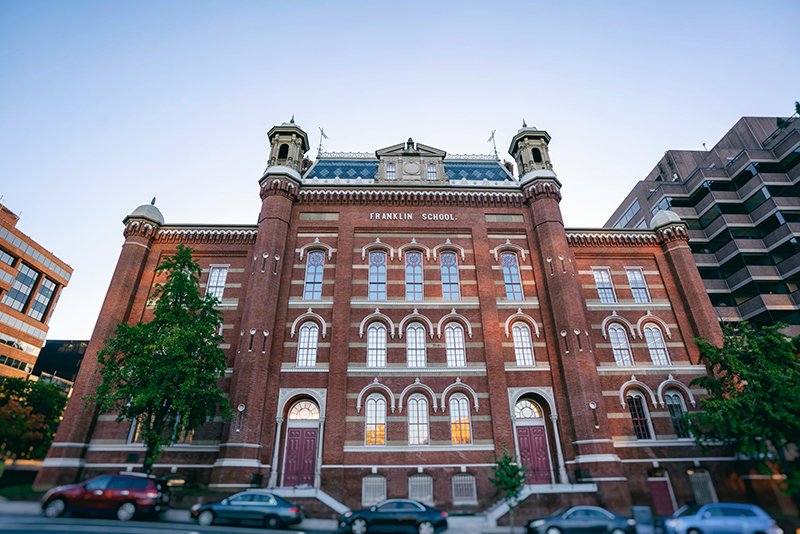 Indoor
Planet Word turns language into hands-on play with a talking word wall, karaoke, animated books, speeches, puzzles and surprising word art in downtown Washington, DC.
Attraction guide →OutdoorNational Mall and Lincoln Memorial
Walk from the Lincoln Memorial past the Reflecting Pool and World War II Memorial, with iconic views and flexible stops along Washington DC's National Mall.
Attraction guide → Indoor
Explore the Jefferson Building’s dazzling Great Hall, rare Gutenberg Bible, Main Reading Room views and interactive The Source with a free timed-entry pass.
Attraction guide →Tweens can follow a bigger story, such as how the capital works, and many enjoy reading the Metro map with an adult nearby. Pair a learning stop with one active outing.
IndoorSmithsonian National Postal Museum
Smithsonian National Postal Museum near Union Station makes mail history hands-on with railway mail, historic vehicles, Owney the dog and interactive stamps and sorting exhibits.
Attraction guide →IndoorPlanet Word turns language into hands-on play with a talking word wall, karaoke, animated books, speeches, puzzles and surprising word art in downtown Washington, DC.
Attraction guide →OutdoorNational Mall and Lincoln Memorial
Walk from the Lincoln Memorial past the Reflecting Pool and World War II Memorial, with iconic views and flexible stops along Washington DC's National Mall.
Attraction guide →IndoorExplore the Jefferson Building’s dazzling Great Hall, rare Gutenberg Bible, Main Reading Room views and interactive The Source with a free timed-entry pass.
Attraction guide →Teens tend to engage when the city feels current, with topics tied to government, culture and neighborhoods they can walk. Give them a say in how the day is built.
IndoorPlanet Word turns language into hands-on play with a talking word wall, karaoke, animated books, speeches, puzzles and surprising word art in downtown Washington, DC.
Attraction guide →OutdoorNational Mall and Lincoln Memorial
Walk from the Lincoln Memorial past the Reflecting Pool and World War II Memorial, with iconic views and flexible stops along Washington DC's National Mall.
Attraction guide →IndoorExplore the Jefferson Building’s dazzling Great Hall, rare Gutenberg Bible, Main Reading Room views and interactive The Source with a free timed-entry pass.
Attraction guide → Indoor
Families can tour the working US Capitol, see the Rotunda and National Statuary Hall, and explore the free underground Visitor Center with advance timed tour passes.
Attraction guide →Plan by weather
Fun things to do in Washington with kids, from heat waves to rain
Summer heat, sudden thunderstorms and cold winter days all send families indoors, while spring and fall pull them back to the Mall. The tabs below separate indoor options from outdoor ones, so the plan can change the same morning when the forecast does. Starting indoors on hot days and outdoors in the cooler hours usually works better than the reverse.
Smithsonian National Postal Museum
Planet Word
Library of Congress
US Capitol
United States Botanic Garden
Free attractions
Washington, DC with kids on a $0 admission budget
Free admission is common in Washington, so this section is stricter. A place is listed only when admission itself costs nothing, and each card says whether a timed pass, parking fee or other extra applies. Passes are free but easy to forget, and they decide whether a stop fits the day.
Free admission for all visitors; no general-admission ticket required.
Free general admission; a voluntary $15 donation is suggested and timed passes are recommended.
Free public outdoor monuments and walking paths; optional undercroft museum reservation has a booking fee.
Free admission for all ages; advance timed-entry passes are required.
Free guided Capitol tours and free Visitor Center exhibits; timed tour pass required for the historic rooms.
Free admission for every age; no advance entry ticket needed.
Free general admission for all ages, no museum entry ticket required.
Free general admission for all ages with reserved timed-entry passes.
Free general admission for all ages, with no entry ticket or pass required.
Discover Washington, DC with Kids - Get Your Free Guide
Washington, DC is one of those rare destinations where children can see enormous dinosaur skeletons, explore the history of space travel, stand beside famous national monuments, and enjoy beautiful public parks without filling every day with expensive attractions. But deciding what to visit, how to get around, and which museums will actually hold your children's attention can be surprisingly challenging. Our free Washington, DC travel guide brings the most useful family travel ideas together in one convenient PDF.
What is the ultimate Washington travel guide? For parents, it's not simply a directory of museums and landmarks. It's a way to discover which experiences are worth prioritizing and how to enjoy them without overwhelming younger travelers. Our guide introduces the National Mall, Smithsonian museums, Capitol Hill, Georgetown, and other interesting areas while helping you choose between interactive exhibits, outdoor discoveries, historic sites, and relaxing family walks.
This free Washington guide book is especially useful for families visiting the nation's capital for the first time. Discover how to combine major attractions with nearby green spaces, find free activities that are genuinely interesting for children, and prepare for hot afternoons or sudden rain. You'll also find practical reminders about Metro travel, stroller access, timed-entry reservations, and avoiding overly ambitious museum schedules. Keep the PDF on your phone for inspiration as you explore the city together.
Download Free PDF GuideFrom Smithsonian museums to quiet parks - discover DC your way
A family-focused introduction to Washington, DC, featuring educational attractions, free experiences, neighborhood highlights, and useful tips for planning comfortable sightseeing days with children.
- 15 memorable family attractions Explore the National Air and Space Museum, Smithsonian National Museum of Natural History, Planet Word, the International Spy Museum, and other places that bring science, history, and discovery to life.
- 15 free and budget-friendly places Find outstanding experiences that don't require expensive admission, from the National Mall and U.S. Botanic Garden to the National Zoo, waterfront parks, and beautiful public gardens.
- 8 lesser-known places worth discovering See another side of the capital with the National Arboretum, Glen Echo Park, Meridian Hill Park, Eastern Market, and other local favorites away from the busiest monuments.
- Indoor ideas for rainy or very hot days Choose museums, creative exhibits, covered attractions, and short indoor breaks that keep children entertained when outdoor sightseeing becomes uncomfortable.
Recommendations for families
How to travel Washington with kids without wearing everyone out
Stay close to a Metro line
A hotel within a short walk of a station saves more time than a lower rate farther out. Check the walk from the platform to the door as well as the distance on the map. Metro also serves Northern Virginia, including Alexandria, which makes that side of the river a workable base.
Know the Metro rules for children
According to WMATA, up to two children age 4 and younger ride free with each fare-paying adult. Children 5 and older pay the regular fare and need their own payment method. Rail fares run $2.25 to $6.75 on weekdays and $2.50 or less on weekends and evenings, according to WMATA's new rider guide, and a one-day unlimited pass costs $13.50. Fares change, so check the current WMATA page before travel.
Reserve passes early for high-demand sites
The most popular timed-entry sites fill up, and same-day passes go quickly. Reserve what the family cares about most as soon as passes are released, then fill the rest of the day with walk-in stops.
Pack for security checks
Many museums and government buildings screen bags at the door. One small bag per family speeds up entry, and food and drink rules vary by site, so check before leaving the hotel.
Heat and spread-out groups
Carry water for every child, take shade breaks on the Mall, and agree on a meeting point before walking into crowded areas. The Mall has little shade in summer, so a lawn break under a tree is a real rest.
Day trips from Washington, DC
Three nearby towns to visit with kids
Alexandria, Virginia
Alexandria sits across the Potomac and connects to the city by Metro's Blue and Yellow lines, according to Visit Alexandria. A free King Street Trolley runs from the King Street-Old Town station to City Hall and Market Square, and the Potomac Water Taxi links the Wharf in DC with Alexandria's Waterfront Park, per National Geographic. It is the easiest escape for families who want a small-town pace without a car.
Annapolis, Maryland
A Washington hotel guide puts Annapolis about 50 minutes from the city by car via US 50. The same guide warns that parking in the historic district can be tight and suggests park-and-ride lots or water taxis. It is better for families with school-age kids who can handle a walking day by the water.
Baltimore, Maryland
Baltimore is about an hour from Union Station by MARC train or Amtrak, according to a Washington hotel guide, and reachable by car on I-95. The train keeps the trip car-free, which helps families who do not want to rent one.
City with kids: common questions
Questions about things to do in Washington with kids
How many days in Washington, DC with kids is enough?
Three to five days is a practical range for most families. Three days covers one full day at each end of the National Mall plus a flexible day for museums, rest or a pass-based visit. Five days adds room for a day trip and a slower pace with younger kids. These are editorial planning ranges, not official minimums. Families with toddlers often stretch the same sights over more days, because one outing per half-day is a more realistic pace than two.
What to do in Washington, DC with kids if the trip is only two days?
Pick one museum and one outdoor stop per day and keep both near the same Metro station. Reserve any timed passes before the trip, since they are the main thing that can block a plan. Leave the second day flexible for whichever stop the kids liked most, and avoid crossing the Mall twice, because two miles each way is a long walk for young children.
Do free museums in Washington, DC need tickets?
Most Smithsonian museums are free and do not require a pass. A small number, including the National Zoo, require free timed-entry passes, and the list changes, so check the Smithsonian's museum page before going. At least one museum requires a pass for every visitor regardless of age, so infants count. Passes are free, but they are limited, and same-day passes can disappear fast on busy days.
What is the best time to travel Washington with kids?
Late March through May and September through October are generally the most comfortable, according to a Washington hotel guide. Spring brings cherry blossom crowds around peak bloom, which the National Park Service sets each year, and summer is hot, humid and busy. Fall tends to be quieter after Labor Day. A family tied to school breaks can still do summer if outdoor stops move to the morning.
How do families get around Washington, DC with kids and strollers?
Metro and walking cover most of a core itinerary, and a car is rarely needed. According to WMATA, up to two children 4 and younger ride free per paying adult, and children 5 and older pay full fare. For day trips, Alexandria connects by Metro, Baltimore by MARC or Amtrak, and Annapolis is easiest by car. Three airports serve the area, so compare total ground-transfer time and not only the fare.
What should families pack for a day in Washington, DC?
A small bag, since many buildings screen bags at the door, plus water, sunscreen and a hat in warm months. Comfortable shoes matter because two miles from end to end of the Mall is only the distance in a straight line. A light jacket helps in air-conditioned museums, which can feel cold after outdoor heat.
Visited Washington, DC with kids?
Recent notes from other parents are the most useful part of planning: which passes were hard to get, how long security lines ran, which stops held a seven-year-old's attention and which did not. Leave your experience under the attraction you visited so the next family can plan around it.