Staten Island Ferry with Kids
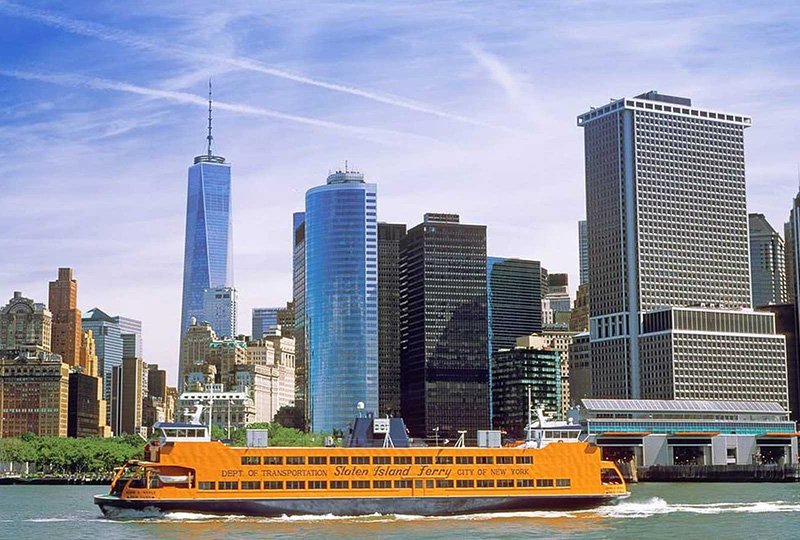
The Staten Island Ferry is an actual commuter boat, not a ticketed sightseeing cruise - and that is part of its appeal. Children watch tugboats, ferries and the Manhattan skyline shift across the harbor while adults get an affordable view of the Statue of Liberty. The crossing takes about 25 minutes each way; to get back to Manhattan, everyone must exit at St. George and board another departure. Pick a clear, mild day for the outdoor decks, and bring layers even when the streets feel warm.
The city ferry costs $0 in both directions for children and adults. Anyone trying to sell a Staten Island Ferry ticket is not selling a ticket required for this service.
Free access and extras →Each crossing is around 25 minutes. Factor in a wait for departure, getting off at St. George and boarding a different boat for the return trip.
Toddlers enjoy boats and moving scenery; school-age children can spot harbor landmarks, while older kids may appreciate skyline photography.
Simple free boarding and accessible terminals keep costs and planning low; wind, crowds at rush hour and the mandatory transfer complicate the outing.
See the full Family Friction score →Orange ferries, giant skylines and the thrill of traveling by boat
For children who have spent their New York trip moving between underground subway stations and busy sidewalks, a ferry can feel like a completely different city. From Whitehall Terminal at the southern tip of Manhattan, the enormous orange boat eases into the harbor and the waterfront begins to rearrange itself: glass towers become a jagged skyline, other boats cross in different directions and the wind carries the salty smell of the water. The trip feels like transportation with a built-in discovery game. Ask children to identify a ferry, a tugboat and a tall skyscraper, then watch Manhattan grow smaller behind the wake. On a bright day, the outdoor deck can be the most memorable part; if the weather turns, indoor seating provides a place to warm up and look through the windows.
The ferry passes the Statue of Liberty at a distance, with the best commonly recommended views on the starboard (right) side when sailing from Manhattan to Staten Island; on the return to Manhattan, the opposite side often gives a comparable perspective. Exact sightlines depend on the vessel, route and available deck access. It is a photograph-and-wave experience, not a stop at Liberty Island: no passengers leave the boat to visit the statue, and the Ellis Island Immigration Museum is not on this route. Children fascinated by the Statue of Liberty may be perfectly happy with the view, particularly when paired with a simple story about the monument. Families who want to walk on the island or enter the monument must book the separate official Statue City Cruises service.
What makes this excursion unusually useful for families is that you control the budget without planning an expensive event. The Staten Island Ferry operates day and night, although the intervals between boats are not equally short at all hours. You can ride from Manhattan to St. George, take a break in the terminal and return, or stay longer on Staten Island if the family wants to explore. Every passenger must get off when the boat docks - you cannot remain on board for a continuous loop. For younger children, the full adventure is often the boat itself: find seats, watch the wakes and count bridges or buildings. Older children may prefer a later afternoon sail for changing harbor light, provided wind and visibility are suitable.
New York looks very different from the water. Pair this no-cost harbor crossing with waterfront walks, museums and age-friendly discoveries in our guide to New York City with kids.
Which ages enjoy the harbor crossing - and which need a shorter plan?
Infant
Babies can travel with caregivers in a stroller, with indoor seating and a sheltered place to feed or rest when available. The views are mostly for adults, and terminal transitions make this less rewarding as a baby-focused attraction.
Toddler
Toddlers may be thrilled by the orange boat, waves and skyline. Hold hands on exterior decks, keep them away from railings and plan the outing around a nap or snack instead of a long exploration after arrival.
Little Kids
A strong age for a first ferry adventure: look for the Statue of Liberty, count boats, compare the Manhattan skyline on departure and return, and choose indoor seating if winds are uncomfortable.
Big Kids
Children seven to nine can follow the ferry route on a simple map and spot the Battery, harbor traffic and Staten Island. Encourage photo-taking only when an adult can keep the group together.
Tweens
Tweens may enjoy interpreting skyline changes, seeing an active working harbor and deciding which views to photograph. Add a waterfront walk if everyone still has energy after the round trip.
Teen
Teens interested in photography, ferries or the city skyline may especially enjoy late-day views. They should know this is a commuter vessel, not an onboard guided tour or Statue of Liberty landing.
Family Friction: free and simple, but still a working ferry
KidWaypoint’s eight-part framework compares practical family demands - arrival, lines, weather, distance, mobility, care facilities, sensory load and schedule freedom - so families can assess the effort of a visit, not simply its ticket price.
The Staten Island Ferry is unusually forgiving on cost: no ticket booth, no reservation, frequent departures during busy parts of the day and elevators in the terminals. But this is a moving public-transit environment, not a privately guided tour. Families may face crowded boarding areas at commuter peak times, gusty decks, loud horns and the non-negotiable requirement to leave the vessel at the opposite terminal. The 25-minute crossing itself is manageable for most school-age children, but adults should plan at least another half hour or more for waiting and transferring before the return. A mild day outside rush hour and a flexible schedule make the trip easiest.
| Factor | Score | Why |
|---|---|---|
| Parking & Arrival | 2/5 | Whitehall Terminal connects to South Ferry (1), Whitehall Street (R/W) and nearby Bowling Green (4/5), but Manhattan parking is scarce and generally expensive. St. George has a municipal lot with posted fees. |
| Queue & Wait Time | 2/5 | There is no ticket-purchase queue, but boarding crowds accumulate between departures, especially around commuter peaks. Security screening may occur and service changes can affect waiting. |
| Heat & Weather Exposure | 2/5 | Indoor cabins offer shelter, but the dramatic views often involve outdoor decks exposed to gusts, cold, rain and hot sun. Fog can significantly reduce visibility. |
| Walking Distance & Terrain | 1/5 | The terminals involve concourses, ramps and boarding distances, but the ride itself requires little walking. Disembarking and returning through the terminal adds movement. |
| Stroller & Mobility Access | 1/5 | Both terminals have elevators and accessible boarding; not every vessel offers movement between all decks by elevator. Keep strollers clear of boarding traffic. |
| Restroom & Baby-Care Access | 1/5 | Ferry vessels and terminals have passenger facilities, but bathroom access during boarding and precise baby-changing provisions vary. Plan routine baby care before the crossing. |
| Sensory & Crowd Load | 1/5 | Engines, horns, announcements, wind and rush-hour commuters can be overwhelming. Indoor seats and less busy sailing times offer calmer alternatives. |
| Schedule Flexibility | 0/5 | The service operates around the clock with no reservations. You can choose a later departure, though you must exit and reboard at each terminus. |
| Scored total | 10/40 | Low Friction |
Strollers, elevators and keeping everyone together at the gangway
The terminals are designed for public transportation, with elevators and accessible boarding, but a moving gangway, large groups and boat-specific deck layouts still require attention.
Use the accessible routes and follow crew instructions. Do not pause for photos on ramps, gangways or near doors while others are moving.
Both terminals support accessible boarding, while elevators between decks exist on some - not all - boats. Ask crew for the easiest route.
Outdoor decks are more exposed than the city streets. A secure stroller brake and an adult within arm’s reach are essential when stopped.
Everyone disembarks, including families with sleeping children. Leave time to regroup before joining the next Manhattan-bound boarding line.
Staten Island Ferry tickets, 24-hour hours and what parking really costs
The public ferry is free every day. The costs families may encounter come from travel to the terminal, snacks or optional parking - not from admission to the boat.
| Activity or service | Cost | What to know |
|---|---|---|
| Staten Island Ferry ticket - adult | Free | No ticket, pass or booking required. |
| Staten Island Ferry ticket - child | Free | All ages travel free. |
| Round trip Whitehall ↔ St. George | Free | Exit and reboard at the opposite terminal; no through-boat loop. |
| Statue of Liberty view from the ferry | Included | The boat passes the monument but does not stop there. |
| St. George municipal South #1 lot | $2/hour; $16 maximum | 18-hour limit, subject to current signage and operating conditions. |
| Parking near Whitehall Terminal | Varies | Private garages and regulated street spaces; public transit is often easier. |
| Subway or bus to the terminal | Separate fare | Use appropriate local transit fare rules. |
| Liberty Island or Ellis Island tours | Separate tickets | Not provided by the Staten Island Ferry. |
Family cost example: two adults and two children pay $0 for a Staten Island Ferry round trip. A two-hour stay in the municipal lot near St. George would cost about $4 at the published $2/hour rate, while travel to the terminal and optional food are extra.
What time does the Staten Island Ferry run?
- Service operates 24 hours a day, every day, throughout the year.
- Each crossing between Whitehall and St. George takes approximately 25 minutes.
- Departures can be as frequent as every 15 minutes during weekday peak service; many other periods use 30-minute intervals.
- Weekends and holidays have their own timetable; check the live schedule before traveling.
The ferry operates around the clock, but a round trip is not automatically a 50-minute activity. Budget for walking through the terminal, waiting for a departure and exiting at St. George before the next boarding. Special events and harbor restrictions can temporarily alter the timetable.
Make a commuter crossing feel like a family harbor expedition
A little timing, a realistic viewpoint and a plan for the return turn a simple transport ride into one of New York’s most affordable family experiences.
- Start at Whitehall if you are already sightseeing in Manhattan.The terminal is close to South Ferry (1), Whitehall Street (R/W) and Bowling Green (4/5). Leave time for the walk from the station to the boarding concourse.
- Choose a mild, clear sailing for the best views.The boat runs in rain and darkness, but an overcast or foggy day can hide the skyline; wind on deck is stronger than many children expect.
- Look to the right on the outbound trip for Liberty views.From Manhattan toward Staten Island, the starboard side is commonly used for Statue of Liberty photographs. Do not crowd railings or block exits to reach it.
- Explain the mandatory transfer before you board.Everyone leaves the ferry at St. George. Rejoin the boarding process for another Manhattan-bound boat instead of waiting in the same seat.
- Avoid the busiest commuter rush if your schedule permits.Midday and other off-peak crossings may feel easier with strollers and young children, but vessel crowding varies and seats are not reserved.
- Prepare for a working ferry, not a tour boat.There is no guide narrating each landmark, the vessel will not dock at Liberty Island, and food or restrooms should not be assumed available at the precise moment you need them.
Staten Island Ferry with kids: the questions that save families time
Detailed answers on trip length, genuinely free tickets, the easiest terminal connections, parking, stroller access and Statue of Liberty views.
How long does the Staten Island Ferry take with children, including the return trip?
The trip from Whitehall Terminal in Lower Manhattan to St. George Terminal on Staten Island takes approximately 25 minutes, and the return crossing takes roughly the same time. Families often underestimate the time between these trips. Everyone must get off the vessel at St. George, walk through the terminal and join boarding for a different Manhattan-bound departure. Boats may be scheduled every 15 minutes at busy weekday periods but often run every 30 minutes at other times, so you cannot guarantee an immediate return. For a no-rush visit with children, allow approximately 75 to 120 minutes from arriving at Whitehall to being back in Manhattan; add more time if you stop for food or explore Staten Island. This is much easier with a toddler when the ferry itself is treated as the main activity rather than one item on a tightly packed morning itinerary.
How much is the Staten Island Ferry, and do families need tickets?
The Staten Island Ferry costs absolutely nothing for adults, children, babies, seniors or visitors: it is a public transportation service operated by NYC DOT, not a ticketed sightseeing cruise. No boarding ticket, advance reservation, printed pass or online checkout is necessary. That also means so-called Staten Island Ferry tickets sold by third parties should not be confused with the free municipal service; commercial harbor tours and Liberty Island ferries are different experiences with their own prices. A family of four can ride from Manhattan to Staten Island and back for $0. You may still pay for subway travel to Whitehall, a parking garage, food or optional activities on either shore, but those are not charges for the ferry itself. Check the official NYC DOT schedule rather than a ticket reseller when planning your departure.
How to get to Staten Island Ferry from Manhattan and where is Whitehall Terminal?
The Manhattan departure point is Whitehall Terminal at the southern tip of Manhattan, with NYC DOT listing 4 South Street as the terminal address. Several subway connections make it relatively straightforward to reach without a car: the 1 train stops at South Ferry, the R and W serve Whitehall Street-South Ferry, and the 4 and 5 stop at nearby Bowling Green. Local buses also stop in the area. Follow signs toward the Staten Island Ferry terminal rather than to commercial boat operators or the Statue City Cruises dock in Battery Park. Once inside, check the boarding area and join the waiting passengers; there is no ticket collection step. If traveling with a stroller, use the elevators and allow extra time around commuter peaks. At the other end, St. George Terminal is at 1 Bay Street, with buses and Staten Island Railway connections.
Is Staten Island Ferry parking available, and where should families leave their car?
There is municipal parking near St. George Terminal on Staten Island. NYC DOT lists the Ferry Terminal South #1 Municipal Parking Field at 1 Bay Street, close to the terminal, with posted charges of $2 an hour and a maximum of $16 for an 18-hour stay. A family parking for around two hours would therefore pay about $4 at the standard rate, provided the facility is operating and has space. Other public or private parking may have different rules, and current signs always take precedence. On the Manhattan side, Whitehall has no equivalent promise of convenient free parking: private garages can be costly, street parking is limited and regulations are strict. For visitors already staying in Manhattan, taking the subway to South Ferry or Whitehall Street is generally less stressful than driving. Do not park at a terminal assuming the ferry’s free fare also covers parking.
Can you see the Statue of Liberty from the Staten Island Ferry?
Yes. The Staten Island Ferry runs across New York Harbor with a clear-weather view of the Statue of Liberty and a broad perspective on Lower Manhattan. When leaving Manhattan toward St. George, the statue is generally viewed on the right, or starboard, side of the boat; on the return, look toward the opposite side. These are guidance points rather than guaranteed photography positions, since deck access, the vessel and other passengers affect your view. Crucially, the ferry does not land at Liberty Island or Ellis Island. You cannot disembark to tour the pedestal, visit the immigration museum or walk around the statue on this route. Families who simply want to see the landmark and enjoy a free boat experience often find this satisfying; those who want to visit either island need separate official Statue City Cruises tickets.
What are Staten Island Ferry hours, and does it operate at night or on holidays?
The ferry runs 24 hours a day, seven days a week, year-round; the service is not limited to tourist attraction opening hours. However, the interval between departures changes during the day. Weekday peak periods have more frequent service - sometimes every 15 minutes - while many off-peak and overnight slots are spaced about 30 minutes apart. NYC DOT publishes separate weekday and weekend schedules, with the weekend timetable generally applying on designated public holidays. Special harbor events, security restrictions, severe weather or operational changes may temporarily affect sailings, so always consult the official ferry schedule close to departure. If children want to see the skyline and the Statue of Liberty, daylight or early evening with clear visibility will be more useful than an overnight trip, even though ferries continue to operate.
Can we bring a stroller on the Staten Island Ferry, and are the terminals accessible?
Yes. Whitehall and St. George terminals have accessible facilities, including elevators and boarding options for passengers with mobility needs. NYC guidance notes that wheelchair users can board at upper or lower levels, while some vessels - not every boat - have elevators connecting decks. A stroller can make the terminal walk and the return transfer easier, especially for a sleeping toddler, but caregivers should follow boarding staff directions, keep wheels clear of doors and never stop on the gangway for photographs. Once aboard, choose a suitable place where the stroller does not block aisles, emergency routes or other passengers. Outdoor decks can be windy, so keep an adult close to small children at all times. If you need a specific elevator connection or level, ask the crew rather than assuming every ferry has the same internal layout.
Is the Staten Island Ferry good for a rainy day, and what should children bring?
The ferry has indoor passenger seating, so the boat still functions as transport when rain makes outdoor sightseeing unpleasant. It is not, however, an ideal rainy-day attraction: the best views can become blurred by wet windows, the Statue of Liberty may be difficult to see in fog and open decks can be cold and slippery. Dress children for wind on the harbor rather than just the temperature on Manhattan streets; a warm layer is useful in nearly any season, with rain protection when necessary. Bring water, a compact snack for before or after the ride, tissues and any essential baby supplies. Hold younger children’s hands on stairs and near boarding doors, and listen for crew announcements. For the best balance of comfort and photographs, choose a clear day with moderate winds and allow enough time to take a later sailing if conditions look poor.