Smithsonian National Zoo with Kids - Free DC Day
Giant pandas make the Smithsonian National Zoo a Washington, DC favorite, but a successful family visit also involves hills, animals that choose when to appear, and a little advance planning. Admission is free for everyone, including babies, yet every visitor needs a free Entry Pass. From Bao Li and Qing Bao to elephants, sea lions and small mammals, this is a remarkably varied outdoor day-with a $30-$40 parking decision for families who drive.
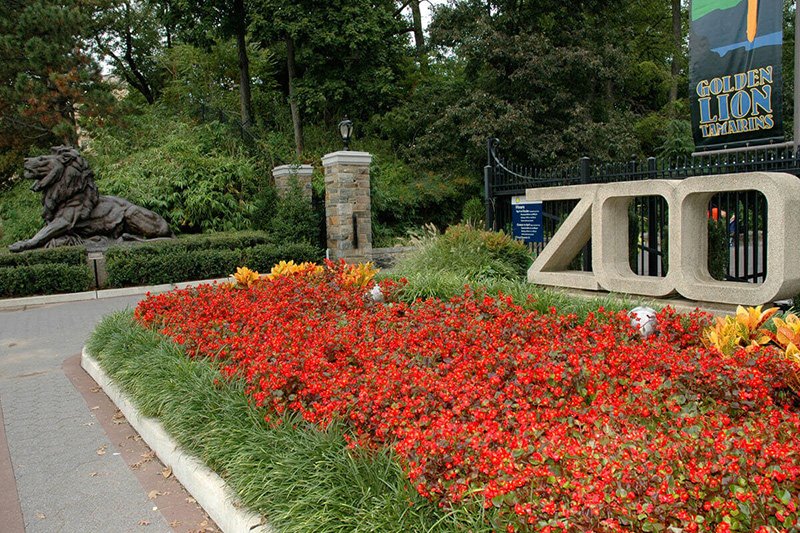
Admission is $0 for all ages, but every family member, including infants, needs a free dated Entry Pass. Parking costs extra.
Free access and extras →The Zoo suggests 2-3 hours for a complete visit; families exploring several habitats slowly, eating lunch or navigating a stroller may want 3-4 hours.
Pandas appeal to many ages, while toddlers enjoy short animal stops and teenagers can explore conservation science. Match the walk to your child’s stamina.
Free entry and excellent baby-care amenities help; a steep hill, weather, animal-house crowding and advance passes make this more demanding than a free indoor museum.
See the full Family Friction score →A panda search, an elephant-sized surprise and a wildlife adventure down the hill
For many children, the most memorable encounter is with the giant pandas Bao Li and Qing Bao, who came to Washington in 2024 and began welcoming visitors in January 2025. Watching a panda grip bamboo, climb, stretch or settle down for a nap is more compelling than any panda photograph: the animals have their own schedules, and part of the fun is waiting quietly to see what they choose to do. Panda sightings are never guaranteed, so make the Asia Trail a priority rather than a promise. Older children can compare pandas with other Asian animals and talk about habitat conservation; younger children may simply be delighted by the unmistakable black-and-white bears. The nearby Panda Plaza makes an obvious pause for water, snacks and a change of pace.
The scale changes along the elephant habitats. Asian elephants move with surprising care, using their trunks to investigate food and their surroundings; children who have only seen elephants in picture books can finally appreciate their size. The American Trail offers a very different set of movements and sounds, with sea lions, aquatic animals and native species. Families can turn the walk into an observation game: Which animal swims? Which climbs? Which waits in a sheltered spot? The Small Mammal House and other indoor exhibits provide occasional breaks from the weather, but most of the Zoo is outdoors and individual habitats may be temporarily inaccessible.
The visit also feels like a real expedition. The Smithsonian National Zoo spans a hillside in Rock Creek Park, so children move from broad paths to viewing windows and from open enclosures to smaller habitats rather than standing in one long gallery. Toddlers can enjoy short bursts of animal-watching and the play opportunities shown on the Zoo map; school-age children can use the Smithsonian’s Animal Adventure Guide to ask better questions about behavior and adaptations. The best day is not the day when you see every animal. It is the day when you leave space for a panda that is finally awake, an unexpected animal encounter and enough time to climb back up the hill without exhausting everyone.
Giant pandas are just one side of a Washington family trip. Pair a wildlife morning with free Smithsonian museums, indoor discoveries and short walks around the capital using our Washington, DC with kids guide.
Pandas for preschoolers, conservation questions for teens: who enjoys which trails?
Infant
Babies can join in a stroller or carrier and notice animal movement, shade and sounds. The steep paths make frequent breaks more valuable than trying to reach every habitat.
Toddler
Strong option when the day centers on short stops: panda viewing, one other favorite animal and a snack. Bring a stroller even for a confident walker-the return uphill can be tiring.
Little Kids
A great age for identifying animals, comparing size and movement and following a simple wildlife scavenger hunt. Keep expectations flexible when a habitat seems quiet.
Big Kids
Older elementary-age children can follow the Animal Adventure Guide, compare habitats and ask why endangered animals need specialized care.
Tweens
Tweens may enjoy keeper information, the environmental science behind breeding and habitat protection and a longer route through Asia and America Trails.
Teen
Teens interested in wildlife, biology, conservation or photography can enjoy a detailed visit; those seeking rides may find the long uphill walk less compelling.
Family Friction: free animals, real hills and parking trade-offs
KidWaypoint scores eight practical demands for families: arrival, waiting, weather, terrain, stroller access, baby-care facilities, crowds and schedule flexibility. Higher means more effort.
This is a rewarding free attraction, but the $0 admission price does not describe the full effort. Most exhibits are outdoors on a hillside, parking requires a paid pass, panda viewing can attract crowds and every child needs a dated Entry Pass. On the positive side, the Zoo has accessible routes, changing stations, a private lactation room and flexible picnic options. Choose a shorter route, arrive early and do not plan around an unavailable guest shuttle.
| Factor | Score | Why |
|---|---|---|
| Parking & Arrival | 3/5 | Free passes must be obtained for everyone. Zoo parking is $30 when purchased at least a day ahead or $40 on the day, and spaces can sell out; Red Line stations offer an alternative but require a walk. |
| Queue & Wait Time | 2/5 | Entry screening and high-demand panda habitats can create lines. Even with a pass, animal viewing time and building crowd control may be unpredictable. |
| Heat & Weather Exposure | 3/5 | This is an outdoor hillside with only intermittent indoor shelter. Summer humidity, storms and winter cold affect comfort, and the Zoo remains open in ordinary rain. |
| Walking Distance & Terrain | 4/5 | The Zoo covers a substantial sloped site. Going downhill early feels easy; the return up the hill can be difficult for young walkers or a caregiver pushing a loaded stroller. |
| Stroller & Mobility Access | 2/5 | Accessible routes and ramps exist, but hills remain tiring. During busy periods animal buildings may require stroller parking outside. |
| Restroom & Baby-Care Access | 0/5 | Changing stations are provided in all restrooms; accessible and family restrooms plus a private Think Tank lactation room make care relatively easy. |
| Sensory & Crowd Load | 2/5 | Excited groups near pandas, louder animals and busy feeding areas may overwhelm sensitive children, although open paths provide opportunities to move away. |
| Schedule Flexibility | 1/5 | The reserved pass works any time during the chosen date before last entry, and families can shorten their route. Seasonal closing times and occasional habitat work still require planning. |
| Scored total | 17/40 | Medium Friction |
The uphill return is the stroller challenge-not simply the path surface
Strollers are welcome on the Zoo’s accessible paths, and rentals are available, but slopes, viewing crowds and temporary stroller-parking rules change how an outing works with little children.
Look at the official zoo map and decide which habitats matter most. The lower Zoo is not just a quick detour: getting back to Connecticut Avenue means climbing uphill.
Stroller rentals cost $15 and wagons $17, first-come, first-served. Use the brakes during stops; a carrier can be useful if a stroller must remain outside a crowded exhibit building.
During peak periods staff may restrict strollers in buildings and designate unattended parking. Keep phones, wallets and medicines with you instead of leaving them inside.
All zoo restrooms have baby-changing stations. The private Think Tank lactation space is another option; check its access instructions rather than assuming it is an ordinary restroom.
Smithsonian National Zoo tickets, seasonal hours and the true price of parking
Admission is free, but reserve dated Entry Passes for adults and children, including infants. Parking is the largest predictable optional cost; a public-transit visit with packed snacks can keep admission and parking at $0.
| Activity or service | Cost | What to know |
|---|---|---|
| Zoo admission - all ages | Free | One dated Entry Pass per visitor, including infants; reserve online. |
| Advance Zoo parking | $30 / vehicle | Purchase at least one day ahead; availability is limited. |
| Same-day Zoo parking | $40 / vehicle | If passes remain; online or at the gate, subject to capacity. |
| Stroller rental | $15 | First-come, first-served; photo ID required. |
| Wagon rental | $17 | First-come, first-served; photo ID required. |
| Manual wheelchair rental | Free | Subject to availability; see accessibility requirements. |
| Single-seat mobility scooter | $40 | For eligible visitors age 18+ to operate; rental rules apply. |
| Food, gifts and seasonal events | Varies | Bring your own picnic or pay separately for optional purchases/events. |
Family cost example: Two adults and two children visiting on free Entry Passes spend $0 on admission. The same family pays $30 if they drive with advance Zoo parking, or $40 with a same-day parking pass if available. Metro fares, stroller rental, meals and souvenirs are separate.
When does the Smithsonian National Zoo open and when do animal houses close?
- September 15-March 14: grounds 8 a.m.-4 p.m.; last grounds entry 3 p.m.
- March 15-September 14: grounds 8 a.m.-6 p.m.; last entry 5 p.m.
- Indoor animal exhibits open at 9 a.m.; last building entry is 30 minutes before Zoo closing.
- The Zoo is closed on December 25; special programs, construction and animal care can affect individual exhibits.
For families, the practical lesson is to start early rather than treating the last-admission time as the start of a visit. The zoo suggests 2-3 hours to tour, and a shorter list of priority animals is often kinder to preschoolers.
Six ways to see pandas without turning the outing into a forced march
Build the day around a few memorable encounters, not a race to every enclosure.
- Reserve a pass for the baby, too.Every guest-including a child in a stroller-needs a free dated Entry Pass. Book online ahead; limited walk-up passes are not a reliable family plan.
- Make pandas an early priority, not a guarantee.Bao Li and Qing Bao may be sleeping, eating or off view. Their visibility depends on animal welfare and daily behavior; have elephants or American Trail as your backup highlight.
- Plan the hill before it plans your day.The Zoo’s long slope is easier downhill. Decide when to turn around and budget energy for the uphill return rather than reaching the far end with tired toddlers.
- Bring your own picnic and refill bottles.Outside food and nonalcoholic drinks are allowed. Water-refill facilities help reduce costs, and a planned snack pause often prevents a rushed exit.
- Prepare for building-specific stroller rules.A stroller may need to be left outside crowded animal houses. Keep valuables close and carry a small day bag with diapers, snacks and water.
- Check the map and closures on your visit date.Africa Trail and Arabian Leopard areas have renovation notices; some habitats can change independently of the posted Zoo hours. The guest shuttle is currently unavailable.
Smithsonian National Zoo: detailed answers for a family day
Free passes, panda viewing, steep paths, parking costs and the practical details that matter when children are along for the day.
Where is the Smithsonian National Zoo in Washington, DC?
The Smithsonian National Zoo is at 3001 Connecticut Avenue NW, Washington, DC 20008, in the Rock Creek Park area north of the National Mall. It is not beside the museums on the Mall, so families should not assume they can casually walk over after visiting the Air and Space Museum. The main entrance on Connecticut Avenue accepts pedestrians, cars and rideshare arrivals; a second entrance near Harvard Street Bridge is for pedestrians only. Both Woodley Park-Zoo/Adams Morgan and Cleveland Park stations are on Metrorail’s Red Line, but walking to the Zoo still takes time, especially with little children or a stroller. If using a mapping app, navigate specifically to the Connecticut Avenue entrance rather than the center of the extensive zoo grounds.
Is the Smithsonian National Zoo free, and do children need tickets?
Yes. General admission is free for adults, children, teens and infants, but free Entry Passes are required for every person. A baby carried in a sling or pushed in a stroller still needs an individual pass. Reserve passes through the official zoo website for your intended date and save them where they will be easy to display at the entrance. Regular passes allow arrival at any time on the selected date before the last-admission cutoff, although groups may follow additional reservation rules. A limited number of walk-up passes may be available, but parents should not rely on securing them during a school break or busy weekend. Parking, rental strollers, meals and special events are separate from the free admission.
How many hours should families allow for the Smithsonian National Zoo?
The Zoo recommends roughly two to three hours for a visit, but the right length depends more on your child’s walking stamina than the number of animals. Two hours can work for pandas and a few nearby highlights, while three to four hours allows time for elephants, another trail, bathroom stops and lunch. The park is built on a hillside, making the return to the main entrance harder than it looks on a map. Families with toddlers should decide on two or three must-see habitats rather than trying to walk every trail. Children who want to watch animal behavior may happily spend longer at one habitat than rushing between ten. Allow extra time at security, popular panda viewpoints and on hot days.
What are the Smithsonian National Zoo hours, and when is the best time to go?
The Zoo follows seasonal hours: from March 15 through September 14, the grounds open from 8 a.m. to 6 p.m., with the last entry at 5 p.m. From September 15 through March 14, they open from 8 a.m. to 4 p.m., with the last entry at 3 p.m. Indoor animal buildings generally begin admitting visitors at 9 a.m. and stop new entry 30 minutes before the grounds close. The Zoo closes December 25. Arriving early is often useful for avoiding midday heat and keeping more of the day available if a child becomes tired. Check the official hours page for special changes and remember that an open Zoo does not guarantee a particular animal will be visible.
Can families see giant pandas at the Smithsonian National Zoo?
Yes. The Zoo’s giant pandas are Bao Li and Qing Bao, who arrived in Washington in 2024 and made their public debut in January 2025. Panda habitats are a major reason families visit, but sightings are not guaranteed at a precise hour. The bears may be resting, eating bamboo, in another part of their habitat or receiving care behind the scenes. Rather than telling children they will definitely see both pandas in action, frame it as a chance to observe what the bears choose to do. Start with Asia Trail, allow patience at viewing areas and look at the official panda information or cam before visiting. If your child is disappointed, elephants, American Trail and other animals provide good alternatives.
How much is Smithsonian National Zoo parking, and is public transportation easier?
Zoo parking costs $30 per vehicle when a pass is purchased at least one day before the visit; a same-day pass costs $40, whether bought online or at the gate if spaces remain. Parking passes can sell out and are separate from the free Entry Passes required for everyone in the car. For a family of four, that means admission is still $0 but a driving visit may cost $30-$40 before lunch or rentals. Many visitors use Metro instead, with the Red Line serving Woodley Park-Zoo/Adams Morgan and Cleveland Park. Neither option removes all walking, so consider your stroller, weather, hills and children’s energy. If you drive, use the main Connecticut Avenue entrance and check the booking site before promising an available space.
Is the Smithsonian National Zoo stroller-friendly and accessible?
The zoo provides accessible routes, ramps and elevators, and parents may bring their own strollers. However, stroller-friendly does not mean flat: the grounds sit on a long hillside and pushing a loaded stroller uphill can be strenuous, particularly during humid weather. Strollers rent for $15 and wagons for $17, subject to availability; free manual wheelchair rentals are also offered. During crowded periods staff may restrict strollers inside some animal buildings and designate outdoor stroller parking. Do not leave valuables in an unattended stroller. The Zoo currently reports that its guest shuttle is unavailable, so plan your walking route rather than expecting a ride back uphill.
Are there family restrooms, baby-changing stations and a private nursing room?
Yes. The Zoo states that baby-changing stations are available in all restrooms, with family restrooms at the Visitor Center, Elephant Outpost and Conservation Pavilion. Additional restrooms are located by Panda Plaza and other major stops. A private single-use lactation space is inside Think Tank; it has seating, a lockable door and electrical outlets and is accessed through the Mamava app. That private room does not contain a sink or changing table, but the nearby restrooms behind the Conservation Pavilion provide those facilities. Parents may also nurse or bottle-feed elsewhere in the Zoo wherever they feel comfortable. Pack water, diapers and a small changing mat so a necessary stop does not force a long climb.
Can you bring food into the Zoo, and is it a good rainy-day activity?
Families are allowed to bring their own food and nonalcoholic drinks, an important advantage for children who need familiar snacks or have a tight meal schedule. Bring refillable bottles: fountains and filling stations are available throughout the grounds. The Zoo also has food outlets, but some vendor schedules vary with weather and visitor numbers. As for rain, the Zoo normally stays open in wet weather and there are indoor exhibit areas, yet the paths between habitats are outdoors and the slopes can be uncomfortable or slippery. Choose waterproof shoes, rain jackets and a shorter route for a light-rain visit. For heavy rain, lightning or extreme heat, a fully indoor Smithsonian museum is a more reliable family plan.
Can you re-enter the Zoo, and how do you avoid surprises from closures?
Same-day re-entry is possible if you obtain a hand stamp before leaving: request it at the Visitor Center near the Connecticut Avenue entrance or the Harvard Street pedestrian entry area. You must return before the day’s last-admission time. Parents should also check official construction notices and the live Zoo map before setting expectations. The Zoo has reported work affecting parts of Africa Trail and the Arabian Leopard area, and individual habitats can be temporarily unavailable for animal care, maintenance or weather. Finally, the guest shuttle is not operating at present, so do not build a return trip around it. Keeping your schedule flexible makes an unexpected closure much easier to handle.